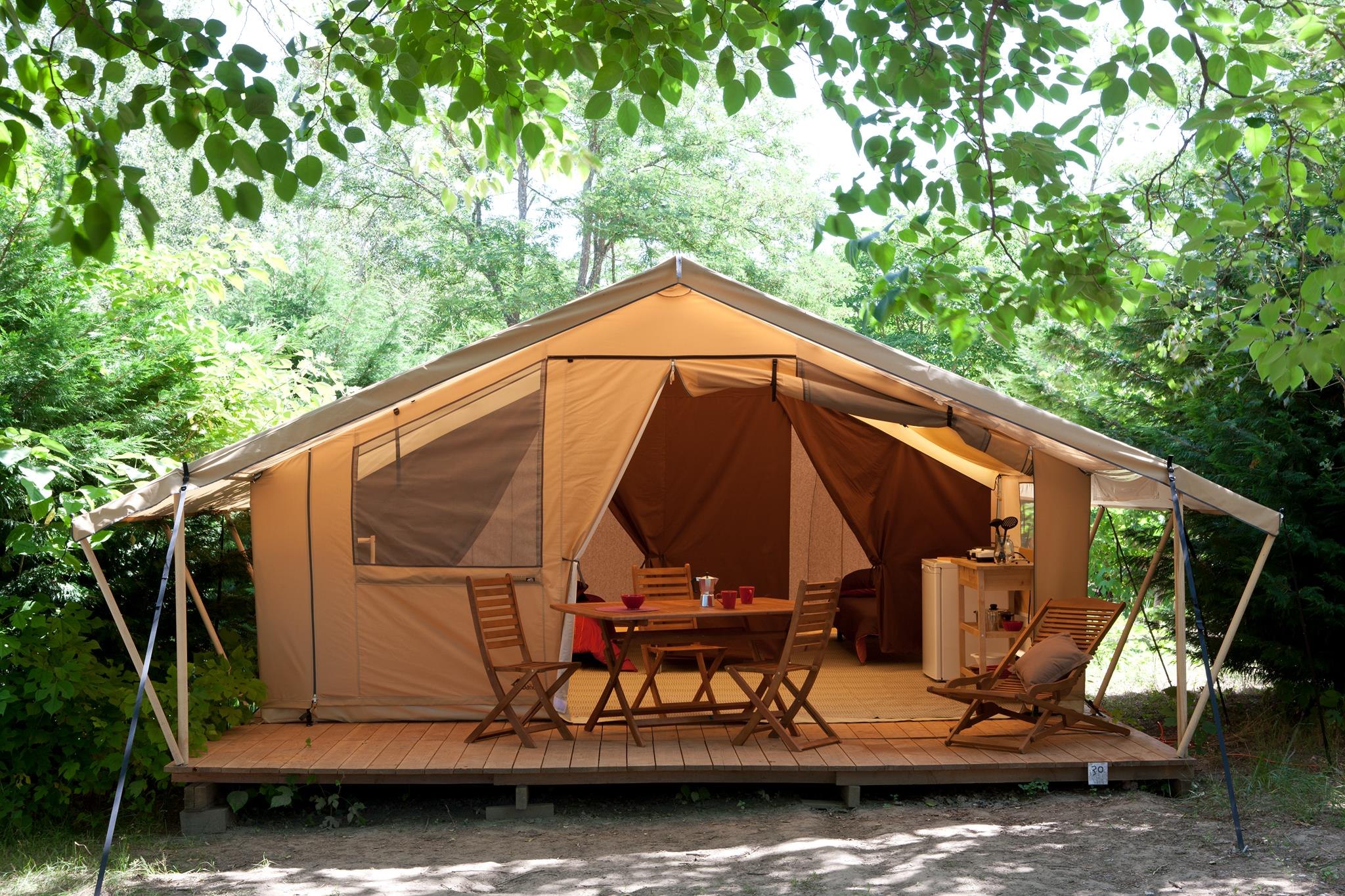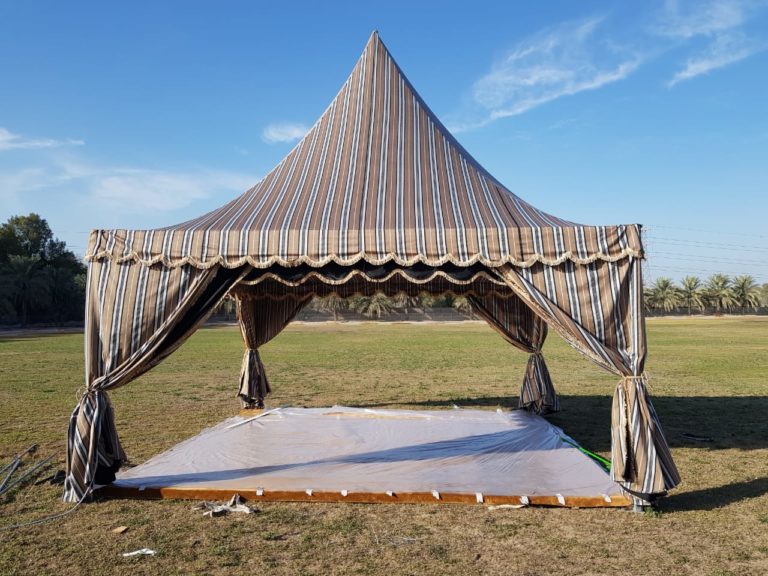
Category: labor resting tents

  • Labour Resting Tents: Easy Care Guide for Long-Term Use

    Labour Resting Tents: Easy Care Guide for Long-Term Use

    Node Workers’ Resting Tents protect workers and provide the conditions they need while working during hot days in the UAE. They also help protect workers’ health and comply with midday break regulations. However, tents are not a one-time investment. Various factors contribute to their rapid wear-out. Without proper maintenance, the tent may last only about 2 years; with careful maintenance, it can last more than 5 years. This article will explain how to maintain your tents. Follow the instructions, because they are simple and can be performed by any site supervisor.

    Why Labour Resting Tents Need Regular Care

    The main thing about the climate in the UAE is that summer temperatures exceed 45°C, and fabrics suffer greatly. High temperatures, along with ultraviolet light and dust, cause damage. The coastal air also contains salt water. The following problems appear if one does not take care of the tent:

    • Faded and cracked fabric
    • Open seams
    • Rusted frame
    • Less shade and heat inside.

    And a weak tent is dangerous and unsafe. A strong gust can lift it or bend the poles. Care is cheaper than replacement. It also keeps your workers safe.

    Know Your Tent Before You Maintain It

    Not all labour rest shelters are the same. Check what yours is made of first. Care steps depend on the material.

    Fabric types

    • PVC-coated polyester: Strong and waterproof. Common in worker rest shelters.
    • Canvas: Breathable but heavy. It needs more drying time.
    • HDPE shade cloth: Light and good for airflow. It tears more easily.

    Frame types

    • Galvanized steel: Strong and resists rust if the coating stays intact.
    • Aluminum: Light and rust-free. It can bend under stress.
    • Powder-coated steel: Looks neat. Scratches can start rust.

    Ask your supplier for the care guide. Keep it on site. Your team should know the basics.

    How to Clean Labour Resting Tents

    Dust and dirt trap heat. They also damage fabric over time. Clean your tents every two to four weeks in summer. Do it monthly in cooler months.

    Simple cleaning steps

    1. Brush off loose sand with a soft broom.
    2. Mix mild soap with clean water.
    3. Wipe the fabric with a soft sponge.
    4. Rinse with low-pressure water.
    5. Let the tent dry fully in open air.

    What to avoid

    • Do not use strong chemicals or bleach. They weaken the fabric.
    • Do not use high-pressure washers. They harm seams and coatings.
    • Do not scrub hard. It removes the protective layer.

    Clean the inside too. Wipe benches, floors, and water stations. A clean tent feels better. Workers use it more.

    Protect the Frame from Rust and Damage

    The frame holds everything together. Look at it often.

    Rust control

    • Check joints, bolts, and the base of each pole.
    • Scrape off light rust with a wire brush.
    • Apply anti-rust paint or primer.
    • Add a fresh coat of paint on exposed spots.

    Bolts and joints

    Loose bolts cause wobble. Wobble causes damage. Tighten all bolts once a month. Replace any bolt that looks worn.

    Ground contact

    Water at the base speeds up rust. Place the tent on a flat, raised area. Use concrete blocks or a gravel bed. This keeps water away from the poles.

    Fix Small Repairs Early

    Tiny damage grows fast in strong sun and wind. Fix it early.

    • Small tears: Use a repair patch made for your fabric type.
    • Open seams: Re-stitch or use seam tape.
    • Worn ropes: Replace them. Do not wait for them to snap.
    • Broken zippers or flaps: Swap them out at once.

    Keep a small repair kit on site. Include patches, tape, rope, spare bolts, and a needle with strong thread. This saves time and money.

    Prepare for UAE Weather Challenges

    Weather in the UAE changes the way you care for a tent. Plan for each season.

    Summer heat

    Heat is the biggest enemy. Add reflective roof covers to lower inside temperature. Make sure vents stay open. Good airflow cuts heat inside the tent by a noticeable margin.

    Sandstorms

    Fasten all sides before a storm. Add extra pegs or weights. After the storm, clean off sand at once. Sand left on fabric acts like sandpaper.

    Humidity and rare rain

    Winter rain is short but heavy at times. Water pools on flat roofs. Use a sloped roof or push water off by hand. Dry the tent fully before folding it. Damp fabric grows mold fast.

    Keep Workers Comfortable to Protect Your Tents

    Here is a useful insight. Tents last longer when people use them well. A crowded tent sees more wear. Tired workers drag chairs and bump poles.

    Follow these tips:

    • Give each tent enough space for the crew size.
    • Set a clear rule: no cooking or smoking inside.
    • Provide cool water and fans or coolers.
    • Place tents near work zones so workers use them often.

    A comfortable tent also helps your site meet the UAE midday break rules, which run in the summer months. Check the latest rules from the Ministry of Human Resources and Emiratisation. Dates and hours can change.

    Store Tents the Right Way

    Some sites move tents between projects. Poor storage ruins good tents.

    1. Clean and dry the tent first.
    2. Fold the fabric loosely. Do not crush it.
    3. Label each part and bundle poles together.
    4. Store everything in a cool, dry room.
    5. Keep it off the floor on a pallet.

    Never store a wet tent. Never leave it in a hot container. Heat and moisture damage the coating very fast.

    Build a Simple Maintenance Schedule

    A schedule keeps care on track. Here is an easy one.

    TaskHow Often
    Visual checkDaily
    Rope and peg checkWeekly
    Fabric cleaningEvery 2 to 4 weeks
    Bolt tighteningMonthly
    Rust inspectionMonthly
    Full inspectionEvery 3 months
    Fabric or part replacementAs needed

    Keep a simple log. Note the date, the task, and the person who did it. A log helps you spot patterns. It also helps when you talk to your supplier.

    When to Repair and When to Replace

    Not every tent is worth saving. Use these signs to decide.

    Repair if:

    • Damage is small and local.
    • The frame is straight and strong.
    • The fabric still blocks sun well.

    Replace if:

    • The fabric is thin, faded, or cracked in many places.
    • The frame has deep rust or bends.
    • Repair costs reach half the price of a new tent.

    Replacing the fabric alone often costs less than a full new tent. Ask your supplier about spare parts and roof covers.

    Choose Quality From the Start

    Care works best when the tent is good to begin with. When you buy labour-resting tents, check these points:

    • UV-resistant, fire-retardant fabric
    • Galvanized or powder-coated frame
    • Strong stitching and welded joints
    • Good ventilation and wind rating
    • A clear warranty and local support in the UAE

    A cheap tent may cost less today. But it often costs more over time. Treat the purchase as a long-term investment. Labour Resting Tents protect your workers and your project. Good care keeps them strong for years. Check them daily. Clean them often. Fix problems early. Store them well. These habits take little time. They save money and keep your team safe in the UAE heat. A well-kept tent also shows your workers that you care about them.

    Frequently Asked Questions

    1. How long do Labour Resting Tents last?

    With proper care, they last four to six years. Without care, they may last only one or two.

    2. How often should I clean them?

    Clean every two to four weeks in summer. Monthly cleaning works in cooler months.

    3. Can I use a pressure washer?

    No. High pressure harms seams and coatings. Use a soft brush and mild soap.

    4. What is the best way to stop rust?

    Keep the frame dry. Remove light rust early. Apply anti-rust paint to exposed spots.

    5. Should I fold a tent when it is wet?

    No. Dry it fully first. Wet fabric can grow mold and lose strength.

  • Labor Resting Tents: Common Uses on UAE Work Sites

    Labor Resting Tents: Common Uses on UAE Work Sites

    If you work outdoors in the UAE, you know how hard the sun can be. Summer heat often goes above 45°C. Humidity makes it feel even hotter. Workers need a safe place to rest, cool down, and drink water.

    That is where labor resting tents come in. These simple shelters give workers shade and comfort during long shifts. Site managers, contractors, and project owners use them every day across the country.

    This guide covers where these tents are used, why they matter, and what you should look for before you buy one.

    What Are Labor Resting Tents?

    Labor Resting Tents are temporary shelters built for outdoor workers. They give people a shaded place to rest during breaks. You can set them up fast and move them when the work area changes.

    Most tents use a strong metal frame and a tough fabric cover. Many come with side walls, fans, or space for air coolers. Some are small pop-up tents. Others are large structures that fit 50 or more workers.

    Think of them as a break room for sites that have no building yet.

    Why These Tents Matter in UAE Weather

    The UAE has one of the hottest climates in the world. Working under direct sun for hours can lead to heat stress, dizziness, and heat stroke.

    A good rest tent can lower the felt temperature by several degrees. It blocks harmful UV rays. It also gives the body time to recover before going back to work.

    Here is a key point many people miss. Shade alone is not enough. Airflow matters just as much. A closed tent with no ventilation can trap heat and become worse than the open air. That is why tent design is so important.

    Common Uses on Construction Sites

    Construction sites are the biggest users of labor resting tents in the UAE. Building projects run all year, even in peak summer.

    Midday Break Shelter

    The UAE has a midday break rule every summer. From June 15 to September 15, outdoor work stops between 12:30 pm and 3:00 pm. Employers must give workers a shaded place to rest during this time.

    Rest tents are the most common way sites meet this need. Workers can sit, drink cold water, and stay out of the sun.

    Cool Down Spots Between Tasks

    Not every break happens at noon. Workers often need short rest stops during the morning or evening. A tent close to the work zone saves time. Workers do not have to walk far to find shade.

    Meal and Prayer Area

    Many sites use the tent as a place to eat lunch. Some also set aside a clean corner for prayer. This small step shows respect and improves worker morale.

    Safety Briefings

    Supervisors often hold short morning safety talks inside the tent. It keeps the team cool and focused while they listen.

    Uses in Industrial Areas and Factories

    Industrial zones like those in Jebel Ali, Mussafah, and Sharjah have many outdoor tasks. Workers load materials, fix machines, and handle storage outside.

    Rest tents in these areas work as:

    • Break area tents near loading zones
    • Hydration points with water coolers and electrolyte drinks
    • First aid corners where a tired worker can lie down

    If your factory has limited indoor space, a tent is a quick and low-cost fix.

    Oil and Gas Support Zones

    Oil and gas sites are often far from cities. Workers may be in the desert for long hours with no buildings nearby.

    Here, tents serve as:

    • Rest stops along pipeline routes
    • Shaded zones near rigs and support yards
    • Cooling stations for maintenance teams

    These sites need tents with strong wind resistance and sand protection. Fire-resistant fabric is also a smart choice in these zones, as safety rules are strict.

    Road and Infrastructure Projects

    Road crews move every few days. A fixed building makes no sense for them. That is why mobile site tents work so well.

    A road team can pack the tent in a truck and set it up at the next spot in under an hour. Bridge, tunnel, and metro projects also use them along long work stretches.

    The insight here is simple. On moving projects, the best tent is the one that is easy to carry. Lightweight frames often matter more than size.

    Logistics Yards and Warehouses

    Ports, freight yards, and big warehouses have staff working outside around the clock. Forklift drivers, loaders, and security teams all need break spots.

    Rest tents in these yards give workers a place to cool off between shifts. They also help reduce crowding inside the main building.

    Temporary Work Zones and Events

    Short-term jobs also use these tents. Some examples:

    • Event setup crews before big shows and expos
    • Landscaping and farm teams
    • Utility repair teams fixing power or water lines
    • Cleaning crews in open public areas

    For short jobs, renting a tent may be cheaper than buying one.

    How Rest Tents Boost Productivity

    Some managers see tents as an extra cost. In reality, they often save money.

    Tired, overheated workers make more mistakes. They work slower. They are more likely to get hurt. A short rest in the shade helps them come back fresh and alert.

    Consider these points:

    • Fewer sick days. Less heat stress means fewer workers missing shifts.
    • Fewer accidents. Alert workers follow safety steps better.
    • Better morale. Workers feel cared for, which builds loyalty.
    • Less time lost. A nearby tent means shorter walks during breaks.

    Moreover, good workforce welfare helps companies attract and keep skilled staff. That is a real advantage in a busy market like the UAE.

    Helping You Stay Compliant

    The Ministry of Human Resources and Emiratisation (MOHRE) checks sites during summer. Companies that break the midday break rule can face fines of AED 5,000 per worker, up to AED 50,000 in total.

    A proper rest tent shows that your site takes outdoor work safety seriously. It is one of the easiest ways to meet heat protection rules.

    What to Look For When Buying Labor Resting Tents

    Not all tents are the same. Here is what you should check before you buy.

    Strong, UV-Resistant Fabric

    Choose PVC or polyester fabric with UV protection. It blocks harmful rays and lasts longer under the strong sun.

    Good Airflow

    Look for mesh windows, roll-up sides, or roof vents. These let hot air escape so the tent stays cooler inside.

    Sturdy Frame

    Steel or aluminum frames hold up best. Aluminum is lighter, so it suits teams that move often.

    Wind and Sand Resistance

    UAE sandstorms can be strong. Pick a tent with ground anchors, weights, or stakes. This keeps it stable in bad weather.

    Right Size

    As a rough guide, plan around 1.5 square meters per worker who will rest at the same time. A crew of 30 needs about 45 square meters of shaded space.

    Easy Setup

    A tent that two people can set up quickly saves labor time. This matters most on road and moving projects.

    Space for Cooling Gear

    Check if the tent can hold air coolers, fans, or even AC units. Some tents also come with a power point setup.

    Flooring Options

    A raised floor or mat keeps workers off hot sand. It also keeps the area cleaner. If you want a tent that lasts many seasons, focus on fabric quality and frame strength first.

    Frequently Asked Questions

    1. Are Labor Resting Tents required by law in the UAE?

    Employers must give workers shaded rest areas during the summer midday break. Tents are one of the most common ways to meet this rule.

    2. How many workers can fit in one tent?

    It depends on the size. Small tents fit 5 to 10 workers. Large tents can hold 50 or more.

    3. Can I add air conditioning to a rest tent?

    Yes. Many tents allow air coolers, fans, or AC units. Check the design and power setup before you buy.

    4. Is it better to rent or buy a rest tent?

    Renting suits short projects. Buying gives better value for long or repeat projects.

    5. How long does a good rest tent last?

    A quality tent with UV-resistant fabric and a strong frame can last several years with proper care.

  • Labour Resting Tents UAE: What Every Business Must Know

    Labour Resting Tents UAE: What Every Business Must Know

    UAE summers are hard on outdoor workers. The sun hits 45 degrees or more, and the heat does not wait for a deadline. Your workers need a cool, safe place to rest. If you don’t have one, people get sick, work slows down, and you face fines. Labour Resting Tents solve this problem. But not every tent works the same. A cheap tent that traps heat can be worse than no tent at all. This guide shows you what to look for, what to avoid, and how to choose well.

    Why Labour Resting Tents Matter in the UAE

    The Heat Is a Real Safety Risk

    Working outdoors in the UAE between May and October is very risky. The combination of high heat and humidity means workers are at risk of heat stress, heat exhaustion, and even heat stroke. All of these can be fatal. Erecting a tent on site lowers the body temperature of the workers. The core of any tent should provide adequate shade, airflow, and an interior that is cooler than the outside air.

    Law Requires You to Protect Workers

    Every year the UAE puts in place midday break rules to protect outdoor workers from the harsh conditions. This usually happens from June 15th to September 15th, from 12:30 pm to 3:00 pm. During this time, employers are not supposed to allow their workers to do any outdoor activities in the sun. Employers are supposed to provide their workers with a shaded area, water, and a basic cooling facility. 

    It Saves You Money

    This is the part many businesses miss. Heat stress does not just hurt workers. It hurts output. Tired, overheated workers make more mistakes. They work slower. Some go on sick leave. One heat stroke case can stop a site for a day and trigger an inspection. A well-planned tent costs far less than that.

    Key Features to Look For

    Not all features carry the same weight. Here they are, ranked by how much they matter.

    1. Ventilation

    Ventilation comes first. A closed tent in UAE heat turns into an oven. Look for:

    • Roll-up side walls
    • Mesh windows
    • Roof vents to let hot air escape
    • Enough height so heat rises above people’s heads

    A tall tent with good airflow often beats a short one with a weak AC unit.

    2. Cooling

    Shade alone is not enough in peak summer. Your options, from most effective to least:

    • Option 1: Air conditioning. Best cooling. Needs power and has higher running costs. Ideal for large crews and long projects.
    • Option 2: Evaporative air coolers. Cheaper to run. They work well in dry heat but lose power when humidity is high, which is common near the coast.
    • Option 3: Industrial fans and misting fans. Lowest cost. Fine for short breaks and small teams, but weak during the hottest weeks.

    If your site is in Dubai or Abu Dhabi near the coast, humidity is high. Don’t rely on coolers alone there.

    3. Material Quality

    The tent fabric decides how long it lasts and how hot it gets inside. Look for:

    • PVC-coated fabric: Strong, waterproof, and easy to clean
    • UV-resistant covers: They block harmful rays and stop the fabric from breaking down
    • Fire-retardant material: A must for site safety
    • Reflective or light-colored roofs: White and silver reflect heat. Dark colors absorb it.

    4. Frame Strength

    Aluminum frames are light and do not rust. Steel frames are stronger but heavier. Both work. The key is wind resistance. Sandstorms and strong winds are common in the UAE, so ask the supplier how much wind the tent can handle.

    5. Comfort Basics

    Workers need more than a roof. Add:

    • Seating or benches
    • Cold drinking water stations
    • Flooring or mats to block ground heat
    • Lighting for early morning or evening shifts
    • A first aid kit

    SAFETY CONSIDERATIONS

    When using a large number of people in a single tent, a few safety tips should be addressed.

    Fire Safety: Use of fire-retardant fabric should be implemented. Fire extinguishers should be placed inside and outside of the tent.

    Electrical Safety: The wiring used for AC units and fans should be certified wiring.

    Clear Exits: Each tent should have at least 2 clear exits.

    Anchoring: A tent should be secured to the ground using stakes, weights, or bolts. High winds can cause a tent to turn into a projectile.

    Space Per Worker: Do not crowd tents. This can cause the spread of illness, as well as creating heat stress.

    Legal and Operational Considerations

    Permits and Approvals

    Different emirates have different requirements for constructing a temporary structure. The rules also vary between different government agencies. Large tents may also require approval for fire safety. Contact the government agency for more information regarding the construction of large tents.

    Compliance Records

    It may be required to keep a simple record of the inspection history of the cooling units or when a particular tent was installed. These records may be required to be produced to the authorities at the time of an inspection.

    Placement on Site

    Tents should be placed near the work areas and away from heavy machinery and dusty areas. A tent placed next to a cement mixer is not a rest area for workers.

    Setup Tips That Actually Work

    1. Level the ground first. Uneven ground weakens the frame.
    2. Face the openings toward the wind. This boosts natural airflow.
    3. Raise the floor if you can. It keeps out sand and heat from the ground.
    4. Install cooling before summer. Waiting until June means long supplier queues.
    5. Test everything on day one. Check power, water, and cooling before workers move in.

    Maintenance: Keep It Working All Season

    A tent left alone breaks down fast in UAE conditions. Build a simple routine:

    Daily: Clean floor, replace water, check AC/fans

     Weekly: Inspect ropes, pegs, and joints

    Monthly: Inspect cooler pads and AC filters, and check for fabric tears.

    After sand storms: Immediate inspection

    Dust quickly clogs cooler filters and AC filters. A blocked filter results in warm air and wasted power.

    Labour Resting Tents are legally required for the protection of your employees against genuine occupational hazards. They allow your project to remain on schedule. First, try to provide adequate cooling and ventilation measures. Choose strong, fire-retardant, and UV-stable materials. 

    Frequently Asked Questions

    At what time is the midday break in the UAE?

    The midday break is usually from June 15th to September 15th, from 12:30 pm to 3:00 pm. Check MOHRE each year to confirm.

    Should I purchase or rent a resting tent?

    Rent if the project duration is short. Purchase if there are multiple project sites and/or the project duration is long (over one year).

    Which cooling method is the best?

    A/C works the best. Evaporative coolers are good for more inland and dry areas.

    How frequently should I maintain the tent?

    Clean the tent daily. Inspect it weekly and do a service call on the cooling units monthly. Check everything after a sandstorm.

  • Benefits of Labor Resting Tents in the UAE

    Benefits of Labor Resting Tents in the UAE

    Working in the UAE is difficult even without the extreme climate. High temperatures and direct sunlight put outdoor workers at a serious risk for health complications if there isn’t sufficient shading. Outdoor laborers need labor resting tents. These tents are crucial and save lives on the job.

    In this article, we will discuss the benefits of installing labor resting tents. We will discuss health protection, acceleration of productivity, and legal compliance. We will also consider the business impacts of prioritizing workers.

    Why Shade Matters in the UAE Heat

    The summer months in the UAE are known for the extreme heat. These months are typically from the middle of June to the end of September. During this time, the heat can become life-threatening. Moreover, direct exposure to sunlight results in rapid energy depletion. If a worker does not take a break from the sun, they are at risk of overheating, which can lead to heat exhaustion or heat stroke.

    A labor resting tents changes this completely. It provides a safe space away from the sun’s direct UV rays. It can even drop the internal temperature, which is a notable difference in life-threatening situations. Local workers can cool down and take a break from the active burning heat. And they can avoid extreme fatigue and overworking their hearts. It allows the dangerous workplace to operate in a safe and manageable environment.

    The Science of Heat Stress

    When a body becomes hot, it puts in extra effort as the heart works harder to cool the skin. If a person is working in the sun for too long, this system goes out of whack. They can become dizzy, weak, or confused. Resting in the shade halts this process. When the body cools down, its system resets. Emergency labor breaks in the resting tents are the solution to medical emergencies and keep the entire team safe and ready to continue working.

    1. Boosting Worker Productivity and Focus

    Workers in resting tents recover more quickly and put in more effort. Resting tents have an added benefit of improving the quality of work and increasing the speed at which work is done. When workers are resting in a tent, they are working in a way that is more thoughtful and can build and lift more. Workers put in more effort when they feel taken care of, and a resting tent is an investment towards that.

    Reducing Accidents on Site

    Accidents happen when workers are fatigued. A dizzy worker could drop a tool or trip. In construction, small mistakes can cause big injuries. A cool rest area reduces fatigue. It keeps minds sharp and reactions quick, which reduces everyone’s risk of injury. A productive site is a safe site.

    1. Compliance with UAE Labor Laws

    The proclaimed laws of the UAE have to do with the safety and protection of the workers. A good measure in this regard is the “Midday Break” rule. This is a rule that requires halting of outdoor work during the peak hours of the sun in the summer. This is a measure taken to protect the workers during the hottest time of the year. Shaded resting areas have to be provided by the employers for the workers during the breaks.

    The sets of these rules can be complied with by the proper installation of high-standard labor resting tents. It protects a company’s reputation and business license. When laws are ignored, a project can even shut down, and a company can be fined. Buying tents protects a lot more than paying off the company’s fines.

    Meeting Safety Standards

    The tents, in addition to complying with labor laws, have to comply with safety laws. They have to be made of a material that is safe, strong, and non-combustible. They have to be able to withstand high winds and sandstorms without collapsing. This also shows that a company is concerned with safety and is committed to improving safety.

    1. Improving Morale and Loyalty

    Employees can tell when a company appreciates them. Offering a relaxing place to take a break screams, We value you. And that builds loyalty.

    When employees are happy, they stay at the company for longer. They are not looking for alternative employment. This keeps turnover rates low. Hiring new employees is a time and money drain. It is much more preferable to keep your existing employees happy. Labor rest tents are a sign of appreciation. They promote positive team morale.

    A Space for Community

    These tents are useful for another reason. They are social areas. Employees have a place to take their lunches where they can socialize, away from the sun. This is also where they can all relax. This socializing makes the team stronger. A well-connected team is a more effective team. The tent is a place for rest and a place to connect.

    1. Cost-Effective Solutions for Long-Term Gain

    Some managers think tents are an extra cost. This is the wrong way to look at it. Think of them as an investment. The return on investment (ROI) is high.

    First, you save on medical costs. Fewer heat strokes mean fewer hospital visits. Second, you save on lost time. When workers are healthy, projects finish on time. Delays cost money. Third, you protect your equipment. Tools left in the direct sun can get damaged. Tents can store sensitive gear during breaks.

    Durability and Reusability

    Modern labor resting tents are tough. You buy them once, and they last for years. You can move them from one site to another. They are easy to set up and take down. This reusability makes them very cheap over time. One purchase serves many projects.

    1. Features of High-Quality Labor Resting Tents

    The construction of all tents is not equal. Tents of better construction utilize breathable fabrics. This stops the tents from becoming too hot and allows air to flow through.  

    A stronger tent frame will stand better against the wind. A tent with steel or aluminum frames is best, as the winds in the UAE can cause huge sandstorms. A tent that is too weak will collapse. Lastly, check the tents’ waterproofing. A dry, comfortable space is better when the air is humid or when rain is falling.

    Air Conditioning Compatibility

    The best labor resting tents work with AC units. Portable air conditioners make the tent a paradise. With a simple fan. Ensure the tent design allows for ducting or power cables. This small addition maximizes the cooling effect.

    Al Mawsim: Quality Tents for UAE Worksites

    There are many tent suppliers in the UAE. However, choosing the right one is important. Select suppliers that have lived and worked in the region. They will understand the local weather and the materials that withstand the desert conditions. 

    Consider suppliers who provide product warranties. This shows they have confidence in their products. Ask if they offer tent maintenance services. Suppliers who provide repair and cleaning services can be a great partner.