Choosing the right tent matters when you need a comfortable, practical space for work, storage, or accommodation. Not every tent can handle every condition. Some projects need temporary shelters, while others require strong structures with better insulation and protection.
Sandwich panel tents are a popular option for industrial, commercial, and construction projects. They provide an enclosed space with insulated walls and roofing. Their solid structure helps protect people, equipment, and materials from outdoor conditions.
However, choosing the right sandwich panel tent requires careful planning. Consider the size, panel thickness, insulation material, frame quality, ventilation, and intended use.
The right choice depends on your project requirements and available space. This guide explains the main factors to consider before selecting sandwich panel tents and how to find a solution that fits your needs.
What Are Sandwich Panel Tents?
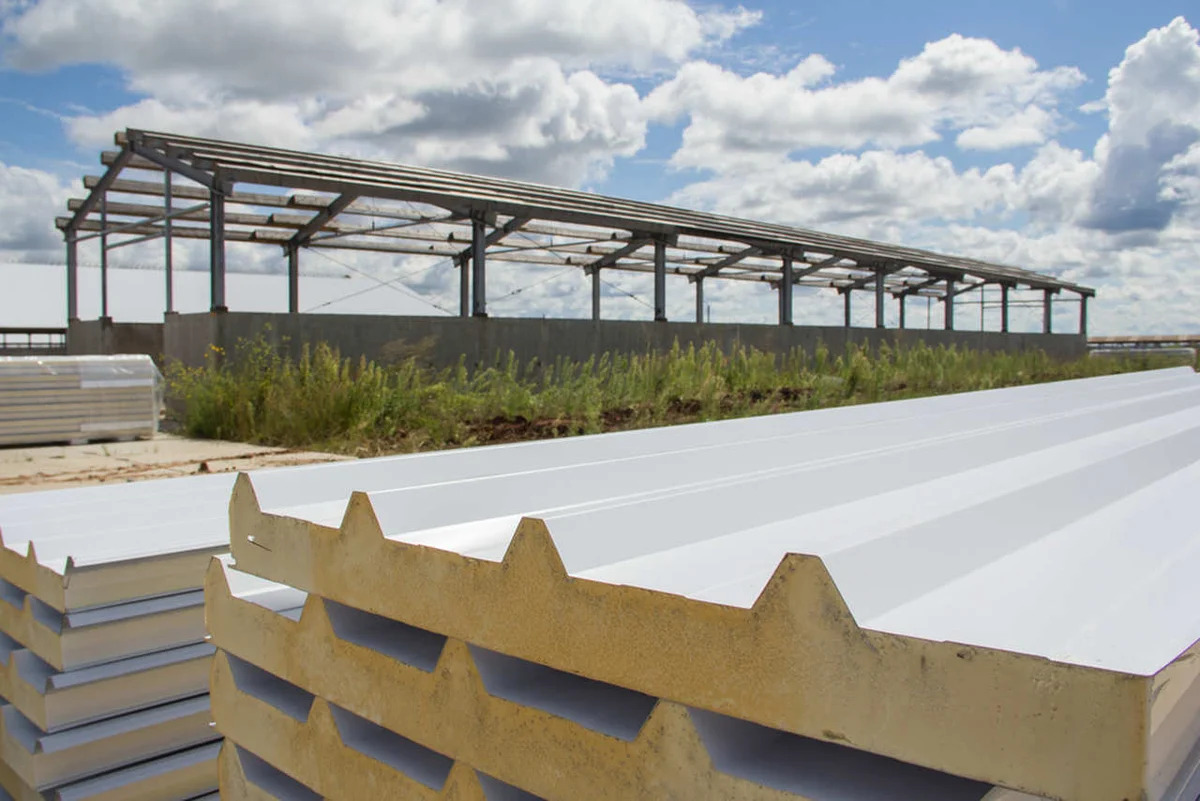
Sandwich panel tents are enclosed structures made with insulated panels and a supporting frame. These panels usually have two outer metal sheets with an insulating core between them.
The outer layers provide strength and protection, while the inner material helps reduce heat transfer.
Common core materials include:
- EPS (Expanded Polystyrene): A lightweight insulation material that helps reduce heat transfer.
- PU (Polyurethane): Provides good thermal insulation and is commonly used in insulated building panels.
- PIR (Polyisocyanurate): Offers thermal insulation and improved fire performance in suitable certified products.
- Rockwool: Provides thermal and acoustic insulation and can offer better fire resistance depending on the panel system.
These structures can serve different purposes. Businesses use them for worker accommodation, site offices, temporary storage, workshops, and other project facilities.
Identify the Main Purpose of Your Tent
Before choosing a sandwich panel tent, decide how you plan to use it. The intended purpose affects the design, materials, size, and insulation requirements.
Worker Accommodation
Construction companies and industrial businesses often need comfortable worker accommodation at project sites. Sandwich panel tents can provide enclosed sleeping areas with better insulation than many basic fabric shelters. You can also include doors, windows, lighting, and ventilation systems. For worker accommodation, consider privacy, sleeping arrangements, temperature control, and enough space for daily activities.
Site Offices
Project managers and supervisors need a suitable place to handle daily operations. A sandwich panel tent can serve as a site office with space for desks, computers, documents, and meeting areas. Choose a design with proper lighting, electrical points, windows, and ventilation.
Storage Facilities
Some projects require temporary storage for tools, equipment, and construction materials. An insulated panel structure can provide an enclosed space that helps protect stored items from dust, sunlight, and weather exposure. However, sensitive materials may need additional humidity and temperature controls.
Industrial and Commercial Use
Businesses may need additional space for workshops, temporary production areas, or equipment facilities. For these applications, focus on structural strength, access points, ventilation, electrical requirements, and safety features.
Choose the Right Size and Layout
Size is one of the most important factors when selecting sandwich panel tents. A structure that is too small can create movement problems and limit daily operations. A larger structure may provide more flexibility but can also increase material, transportation, and installation costs. Consider the following points before deciding on dimensions.
Calculate the Required Space
Start by listing everything you plan to place inside the tent. For accommodation, consider beds, storage units, walkways, and shared facilities. For site offices, calculate the space needed for furniture, equipment, and staff movement. For storage, consider the size of materials and the equipment used to move them.
Consider Future Requirements
Your project needs may change over time. You may need more workers, additional equipment, or extra storage space. Planning for some additional capacity can help avoid expensive changes later.
Select a Practical Layout
The internal layout should support daily activities. Place doors and windows where they allow easy movement and natural light. For larger structures, you may also need separate sections for offices, storage, accommodation, or rest areas.
Check the Quality of the Supporting Frame
The frame supports the entire structure. It holds the panels in place and helps the tent maintain its shape. A weak frame can affect stability and long-term performance.
When comparing sandwich panel tents, check these important features:
- Frame Material: Ask whether the structure uses steel or another suitable material.
- Corrosion Protection: Check the coating or galvanization used to protect metal components.
- Structural Design: Make sure the frame suits the building size and expected loads.
- Connections: Check the quality of bolts, brackets, and joining components.
- Foundation: Confirm that the structure has suitable anchoring and foundation arrangements.
For outdoor projects, the frame should also be designed for local wind conditions. Ask the supplier for relevant structural calculations and load specifications.
Consider the Weather Conditions at Your Project Site
The location of your project plays an important role in choosing the right sandwich panel tent. A structure installed in a hot desert area may need different features from one used in a cooler or coastal location.
Heat and Sunlight
High temperatures can make indoor spaces uncomfortable. Insulated panels help reduce heat transfer through the walls and roof. You should also consider roof insulation, ventilation, and suitable cooling systems.
Wind Resistance
Outdoor structures must handle expected wind conditions. The frame, connections, panels, and anchoring system should match the site’s wind requirements. Avoid choosing a structure based only on its appearance or panel thickness.
Rain and Moisture
Proper panel joints and roof connections help prevent water from entering the structure. For areas exposed to moisture, check the quality of panel coatings, seals, and drainage arrangements.
Coastal Conditions
Coastal locations may expose metal components to salty air. This can increase the risk of corrosion. Choose suitable protective coatings and corrosion-resistant fittings based on the site’s exposure.
Compare Quality, Price, and Long-Term Value
Price is an important factor, but it should not be the only reason for choosing a sandwich panel tent. Two suppliers may offer similar-looking structures at different prices. The difference may come from panel thickness, insulation type, frame quality, coatings, or installation services. Request detailed quotations from different suppliers and compare the specifications.
Check whether the quoted price includes:
- Panel materials and thickness
- Supporting frame and fittings
- Doors and windows
- Transportation and delivery
- Foundation and anchoring work
- Installation and labor
- Electrical and ventilation arrangements
- Warranty and after-sales support
A cheaper structure may require more repairs or maintenance if it uses poor-quality materials. A well-designed structure can offer better value over its expected service life.
Choose a Reliable Sandwich Panel Tents Supplier
The supplier plays an important role in the success of your project. Even good materials may not perform well if the design and installation are poor. Take time to review the supplier’s experience and services before deciding.
Check Previous Projects
Ask the supplier to share examples of completed projects. Look for structures used for similar purposes. This can help you understand their design quality and installation experience.
Ask About Customization
Every project has different requirements. A reliable supplier should understand your needs and recommend suitable dimensions, insulation materials, and layouts.
Review Material Specifications
Ask for technical details about the panels, insulation core, metal sheets, coatings, and supporting frame. Do not rely only on general claims such as high quality or heavy-duty.
Confirm Installation Services
Check whether the supplier provides delivery, installation, and final inspection. Professional installation helps ensure that panels, joints, doors, and structural connections fit correctly.
Understand Warranty Terms
Ask what the warranty covers and how long it remains valid. Also confirm whether the supplier offers maintenance and repair support. Clear warranty terms can help you make a more informed decision.
Leave a Reply