Blog

  • Labour Resting Tents: Easy Care Guide for Long-Term Use

    Labour Resting Tents: Easy Care Guide for Long-Term Use

    Node Workers’ Resting Tents protect workers and provide the conditions they need while working during hot days in the UAE. They also help protect workers’ health and comply with midday break regulations. However, tents are not a one-time investment. Various factors contribute to their rapid wear-out. Without proper maintenance, the tent may last only about 2 years; with careful maintenance, it can last more than 5 years. This article will explain how to maintain your tents. Follow the instructions, because they are simple and can be performed by any site supervisor.

    Why Labour Resting Tents Need Regular Care

    The main thing about the climate in the UAE is that summer temperatures exceed 45°C, and fabrics suffer greatly. High temperatures, along with ultraviolet light and dust, cause damage. The coastal air also contains salt water. The following problems appear if one does not take care of the tent:

    • Faded and cracked fabric
    • Open seams
    • Rusted frame
    • Less shade and heat inside.

    And a weak tent is dangerous and unsafe. A strong gust can lift it or bend the poles. Care is cheaper than replacement. It also keeps your workers safe.

    Know Your Tent Before You Maintain It

    Not all labour rest shelters are the same. Check what yours is made of first. Care steps depend on the material.

    Fabric types

    • PVC-coated polyester: Strong and waterproof. Common in worker rest shelters.
    • Canvas: Breathable but heavy. It needs more drying time.
    • HDPE shade cloth: Light and good for airflow. It tears more easily.

    Frame types

    • Galvanized steel: Strong and resists rust if the coating stays intact.
    • Aluminum: Light and rust-free. It can bend under stress.
    • Powder-coated steel: Looks neat. Scratches can start rust.

    Ask your supplier for the care guide. Keep it on site. Your team should know the basics.

    How to Clean Labour Resting Tents

    Dust and dirt trap heat. They also damage fabric over time. Clean your tents every two to four weeks in summer. Do it monthly in cooler months.

    Simple cleaning steps

    1. Brush off loose sand with a soft broom.
    2. Mix mild soap with clean water.
    3. Wipe the fabric with a soft sponge.
    4. Rinse with low-pressure water.
    5. Let the tent dry fully in open air.

    What to avoid

    • Do not use strong chemicals or bleach. They weaken the fabric.
    • Do not use high-pressure washers. They harm seams and coatings.
    • Do not scrub hard. It removes the protective layer.

    Clean the inside too. Wipe benches, floors, and water stations. A clean tent feels better. Workers use it more.

    Protect the Frame from Rust and Damage

    The frame holds everything together. Look at it often.

    Rust control

    • Check joints, bolts, and the base of each pole.
    • Scrape off light rust with a wire brush.
    • Apply anti-rust paint or primer.
    • Add a fresh coat of paint on exposed spots.

    Bolts and joints

    Loose bolts cause wobble. Wobble causes damage. Tighten all bolts once a month. Replace any bolt that looks worn.

    Ground contact

    Water at the base speeds up rust. Place the tent on a flat, raised area. Use concrete blocks or a gravel bed. This keeps water away from the poles.

    Fix Small Repairs Early

    Tiny damage grows fast in strong sun and wind. Fix it early.

    • Small tears: Use a repair patch made for your fabric type.
    • Open seams: Re-stitch or use seam tape.
    • Worn ropes: Replace them. Do not wait for them to snap.
    • Broken zippers or flaps: Swap them out at once.

    Keep a small repair kit on site. Include patches, tape, rope, spare bolts, and a needle with strong thread. This saves time and money.

    Prepare for UAE Weather Challenges

    Weather in the UAE changes the way you care for a tent. Plan for each season.

    Summer heat

    Heat is the biggest enemy. Add reflective roof covers to lower inside temperature. Make sure vents stay open. Good airflow cuts heat inside the tent by a noticeable margin.

    Sandstorms

    Fasten all sides before a storm. Add extra pegs or weights. After the storm, clean off sand at once. Sand left on fabric acts like sandpaper.

    Humidity and rare rain

    Winter rain is short but heavy at times. Water pools on flat roofs. Use a sloped roof or push water off by hand. Dry the tent fully before folding it. Damp fabric grows mold fast.

    Keep Workers Comfortable to Protect Your Tents

    Here is a useful insight. Tents last longer when people use them well. A crowded tent sees more wear. Tired workers drag chairs and bump poles.

    Follow these tips:

    • Give each tent enough space for the crew size.
    • Set a clear rule: no cooking or smoking inside.
    • Provide cool water and fans or coolers.
    • Place tents near work zones so workers use them often.

    A comfortable tent also helps your site meet the UAE midday break rules, which run in the summer months. Check the latest rules from the Ministry of Human Resources and Emiratisation. Dates and hours can change.

    Store Tents the Right Way

    Some sites move tents between projects. Poor storage ruins good tents.

    1. Clean and dry the tent first.
    2. Fold the fabric loosely. Do not crush it.
    3. Label each part and bundle poles together.
    4. Store everything in a cool, dry room.
    5. Keep it off the floor on a pallet.

    Never store a wet tent. Never leave it in a hot container. Heat and moisture damage the coating very fast.

    Build a Simple Maintenance Schedule

    A schedule keeps care on track. Here is an easy one.

    TaskHow Often
    Visual checkDaily
    Rope and peg checkWeekly
    Fabric cleaningEvery 2 to 4 weeks
    Bolt tighteningMonthly
    Rust inspectionMonthly
    Full inspectionEvery 3 months
    Fabric or part replacementAs needed

    Keep a simple log. Note the date, the task, and the person who did it. A log helps you spot patterns. It also helps when you talk to your supplier.

    When to Repair and When to Replace

    Not every tent is worth saving. Use these signs to decide.

    Repair if:

    • Damage is small and local.
    • The frame is straight and strong.
    • The fabric still blocks sun well.

    Replace if:

    • The fabric is thin, faded, or cracked in many places.
    • The frame has deep rust or bends.
    • Repair costs reach half the price of a new tent.

    Replacing the fabric alone often costs less than a full new tent. Ask your supplier about spare parts and roof covers.

    Choose Quality From the Start

    Care works best when the tent is good to begin with. When you buy labour-resting tents, check these points:

    • UV-resistant, fire-retardant fabric
    • Galvanized or powder-coated frame
    • Strong stitching and welded joints
    • Good ventilation and wind rating
    • A clear warranty and local support in the UAE

    A cheap tent may cost less today. But it often costs more over time. Treat the purchase as a long-term investment. Labour Resting Tents protect your workers and your project. Good care keeps them strong for years. Check them daily. Clean them often. Fix problems early. Store them well. These habits take little time. They save money and keep your team safe in the UAE heat. A well-kept tent also shows your workers that you care about them.

    Frequently Asked Questions

    1. How long do Labour Resting Tents last?

    With proper care, they last four to six years. Without care, they may last only one or two.

    2. How often should I clean them?

    Clean every two to four weeks in summer. Monthly cleaning works in cooler months.

    3. Can I use a pressure washer?

    No. High pressure harms seams and coatings. Use a soft brush and mild soap.

    4. What is the best way to stop rust?

    Keep the frame dry. Remove light rust early. Apply anti-rust paint to exposed spots.

    5. Should I fold a tent when it is wet?

    No. Dry it fully first. Wet fabric can grow mold and lose strength.
  • Labor Resting Tents: Common Uses on UAE Work Sites

    Labor Resting Tents: Common Uses on UAE Work Sites

    If you work outdoors in the UAE, you know how hard the sun can be. Summer heat often goes above 45°C. Humidity makes it feel even hotter. Workers need a safe place to rest, cool down, and drink water.

    That is where labor resting tents come in. These simple shelters give workers shade and comfort during long shifts. Site managers, contractors, and project owners use them every day across the country.

    This guide covers where these tents are used, why they matter, and what you should look for before you buy one.

    What Are Labor Resting Tents?

    Labor Resting Tents are temporary shelters built for outdoor workers. They give people a shaded place to rest during breaks. You can set them up fast and move them when the work area changes.

    Most tents use a strong metal frame and a tough fabric cover. Many come with side walls, fans, or space for air coolers. Some are small pop-up tents. Others are large structures that fit 50 or more workers.

    Think of them as a break room for sites that have no building yet.

    Why These Tents Matter in UAE Weather

    The UAE has one of the hottest climates in the world. Working under direct sun for hours can lead to heat stress, dizziness, and heat stroke.

    A good rest tent can lower the felt temperature by several degrees. It blocks harmful UV rays. It also gives the body time to recover before going back to work.

    Here is a key point many people miss. Shade alone is not enough. Airflow matters just as much. A closed tent with no ventilation can trap heat and become worse than the open air. That is why tent design is so important.

    Common Uses on Construction Sites

    Construction sites are the biggest users of labor resting tents in the UAE. Building projects run all year, even in peak summer.

    Midday Break Shelter

    The UAE has a midday break rule every summer. From June 15 to September 15, outdoor work stops between 12:30 pm and 3:00 pm. Employers must give workers a shaded place to rest during this time.

    Rest tents are the most common way sites meet this need. Workers can sit, drink cold water, and stay out of the sun.

    Cool Down Spots Between Tasks

    Not every break happens at noon. Workers often need short rest stops during the morning or evening. A tent close to the work zone saves time. Workers do not have to walk far to find shade.

    Meal and Prayer Area

    Many sites use the tent as a place to eat lunch. Some also set aside a clean corner for prayer. This small step shows respect and improves worker morale.

    Safety Briefings

    Supervisors often hold short morning safety talks inside the tent. It keeps the team cool and focused while they listen.

    Uses in Industrial Areas and Factories

    Industrial zones like those in Jebel Ali, Mussafah, and Sharjah have many outdoor tasks. Workers load materials, fix machines, and handle storage outside.

    Rest tents in these areas work as:

    • Break area tents near loading zones
    • Hydration points with water coolers and electrolyte drinks
    • First aid corners where a tired worker can lie down

    If your factory has limited indoor space, a tent is a quick and low-cost fix.

    Oil and Gas Support Zones

    Oil and gas sites are often far from cities. Workers may be in the desert for long hours with no buildings nearby.

    Here, tents serve as:

    • Rest stops along pipeline routes
    • Shaded zones near rigs and support yards
    • Cooling stations for maintenance teams

    These sites need tents with strong wind resistance and sand protection. Fire-resistant fabric is also a smart choice in these zones, as safety rules are strict.

    Road and Infrastructure Projects

    Road crews move every few days. A fixed building makes no sense for them. That is why mobile site tents work so well.

    A road team can pack the tent in a truck and set it up at the next spot in under an hour. Bridge, tunnel, and metro projects also use them along long work stretches.

    The insight here is simple. On moving projects, the best tent is the one that is easy to carry. Lightweight frames often matter more than size.

    Logistics Yards and Warehouses

    Ports, freight yards, and big warehouses have staff working outside around the clock. Forklift drivers, loaders, and security teams all need break spots.

    Rest tents in these yards give workers a place to cool off between shifts. They also help reduce crowding inside the main building.

    Temporary Work Zones and Events

    Short-term jobs also use these tents. Some examples:

    • Event setup crews before big shows and expos
    • Landscaping and farm teams
    • Utility repair teams fixing power or water lines
    • Cleaning crews in open public areas

    For short jobs, renting a tent may be cheaper than buying one.

    How Rest Tents Boost Productivity

    Some managers see tents as an extra cost. In reality, they often save money.

    Tired, overheated workers make more mistakes. They work slower. They are more likely to get hurt. A short rest in the shade helps them come back fresh and alert.

    Consider these points:

    • Fewer sick days. Less heat stress means fewer workers missing shifts.
    • Fewer accidents. Alert workers follow safety steps better.
    • Better morale. Workers feel cared for, which builds loyalty.
    • Less time lost. A nearby tent means shorter walks during breaks.

    Moreover, good workforce welfare helps companies attract and keep skilled staff. That is a real advantage in a busy market like the UAE.

    Helping You Stay Compliant

    The Ministry of Human Resources and Emiratisation (MOHRE) checks sites during summer. Companies that break the midday break rule can face fines of AED 5,000 per worker, up to AED 50,000 in total.

    A proper rest tent shows that your site takes outdoor work safety seriously. It is one of the easiest ways to meet heat protection rules.

    What to Look For When Buying Labor Resting Tents

    Not all tents are the same. Here is what you should check before you buy.

    Strong, UV-Resistant Fabric

    Choose PVC or polyester fabric with UV protection. It blocks harmful rays and lasts longer under the strong sun.

    Good Airflow

    Look for mesh windows, roll-up sides, or roof vents. These let hot air escape so the tent stays cooler inside.

    Sturdy Frame

    Steel or aluminum frames hold up best. Aluminum is lighter, so it suits teams that move often.

    Wind and Sand Resistance

    UAE sandstorms can be strong. Pick a tent with ground anchors, weights, or stakes. This keeps it stable in bad weather.

    Right Size

    As a rough guide, plan around 1.5 square meters per worker who will rest at the same time. A crew of 30 needs about 45 square meters of shaded space.

    Easy Setup

    A tent that two people can set up quickly saves labor time. This matters most on road and moving projects.

    Space for Cooling Gear

    Check if the tent can hold air coolers, fans, or even AC units. Some tents also come with a power point setup.

    Flooring Options

    A raised floor or mat keeps workers off hot sand. It also keeps the area cleaner. If you want a tent that lasts many seasons, focus on fabric quality and frame strength first.

    Frequently Asked Questions

    1. Are Labor Resting Tents required by law in the UAE?

    Employers must give workers shaded rest areas during the summer midday break. Tents are one of the most common ways to meet this rule.

    2. How many workers can fit in one tent?

    It depends on the size. Small tents fit 5 to 10 workers. Large tents can hold 50 or more.

    3. Can I add air conditioning to a rest tent?

    Yes. Many tents allow air coolers, fans, or AC units. Check the design and power setup before you buy.

    4. Is it better to rent or buy a rest tent?

    Renting suits short projects. Buying gives better value for long or repeat projects.

    5. How long does a good rest tent last?

    A quality tent with UV-resistant fabric and a strong frame can last several years with proper care.

  • How to Choose the Right Aluminium and Steel Tent in UAE

    How to Choose the Right Aluminium and Steel Tent in UAE

    UAE summer heat can exceed 45°C. Sandstorms can hit with little warning. Strong winds can blow across open land in minutes. A weak tent will not last long in these conditions. That is why choosing the right aluminium and steel tent in UAE matters. Whether you need a tent for a wedding, a warehouse, or a car shade, the frame and fabric decide how safe and useful it will be. A smart choice saves you money for years. A poor choice costs you repairs, delays, and even safety risks.

    Aluminium vs Steel: Which Frame Is Better?

    Both metals work well, but each one fits a different need. The right pick depends on how you plan to use your tent.

    Aluminium Tent Frames

    Aluminium is light and strong. It does not rust, which is a big plus near the coast in Dubai, Abu Dhabi, or Sharjah. Teams can set it up and take it down fast.

    Aluminium frames are best for:

    • Event tents for weddings, exhibitions, and festivals
    • Short-term or seasonal use
    • Locations where you need to move the tent often
    • Coastal areas with salty, humid air

    Steel Tent Frames

    Steel is heavier and very tough. They can carry more weight and handle more wind pressure. Most steel frames are galvanised, meaning they have a zinc coating to resist rust.

    Steel frames are best for:

    • Warehouse tents and storage tents
    • Long-term or permanent structures
    • Industrial sites and construction yards
    • Large spans that need extra frame strength

    Quick Comparison Table

    FeatureAluminiumSteel
    WeightLightHeavy
    Corrosion resistanceExcellentGood (if galvanised)
    Setup speedFastSlower
    Load capacityMedium to highVery high
    Best useEvents, mobile useWarehouses, long-term use
    Upfront costHigherLower to medium

    How UAE Weather Affects Your Tent Choice

    The climate here is harsh. Your tent must handle heat, wind, sand, and sometimes heavy rain. Let’s look at each one.

    Extreme Heat and UV Protection

    The sun in the UAE is strong almost all year. Cheap fabric fades, cracks, and tears within one or two summers. Always ask for fabric with UV protection.

    Look for:

    • PVC-coated polyester fabric with UV stabilisers
    • Fire retardant certification
    • Light colours like white or beige that reflect heat
    • Thermal roof liners for extra cooling

    A good tip: ask the supplier how many years the fabric is rated for under direct sun. A quality fabric should last 5 to 10 years.

    Wind and Sandstorms

    Shamal winds can reach high speeds. A tent not built for wind can collapse orblowy away. This is a serious safety risk.

    Ask your supplier for the wind load rating. Many quality tents handle winds of 80 to 100 km/h. Also check how the tent is anchored. Ground pegs, concrete blocks, or base plates must match the ground type.

    Sand is another issue. It gets into joints and zippers. Aluminium frames with smooth profiles are easier to clean. Sealed connections on steel frames also help.

    Humidity and Salt Air

    Coastal cities have high humidity and salty air. This speeds up rust. If your tent will stand near the coast, aluminium is the safer choice. If you pick steel, make sure it is hot-dip galvanised, not just painted.

    Rare but Heavy Rain

    Rain isn’t common, but when it does come, it can be heavy. A flat roof can collect water and sag. Choose a tent with a proper roof pitch so water runs off quickly.

    Pick the Right Size and Purpose

    Size isn’t just about floor space. It is about how people and goods move inside the tent.

    Event Tents

    For events, plan space for guests, tables, stage, catering, and walkways. A simple guide:

    • Standing reception: about 0.8 to 1 square meter per guest
    • Seated dinner: about 1.5 to 2 square meters per guest
    • Add 20 to 30 pper centextra for stage, buffet, and dance floor

    Warehouse and Storage Tents

    For storage, think about height as much as floor area. Forklifts need clear space. High racks need tall side walls. Plan for loading doors and safe aisles.

    Other Common Uses

    An outdoor shelter in the UAE can serve many needs:

    • Car parking shades
    • Majlis and Ramadan tents
    • Sports halls and training areas
    • Worker rest areas on construction sites
    • Temporary offices and site cabins

    Check Fabric Quality and Frame Strength

    Two tents may look the same in photos. But the quality inside can differ greatly.

    What to Ask About Fabric

    • What is the fabric weight in grams per square meter? Heavier usually means stronger.
    • Is it fire retardant and certified?
    • Does it have UV and mildew protection?
    • Can damaged panels be replaced one by one?

    What to Ask About the Frame

    • What is the profile size and wall thickness?
    • Is the steel galvanised or only painted?
    • What grade of aluminium is used?
    • Does the design have engineering calculations for wind load?

    Good suppliers answer these questions with clear facts. If a seller avoids them, that is a warning sign.

    Plan Installation and Safety

    Even the best tent can fail if it is installed poorly. Safety must come first.

    Professional Installation

    Always use a trained team. They know how to level the ground, anchor the frame, and tension the fabric. Poor tension causes flapping, which quickly damages the fabric.

    Permits and Approvals

    Many emirates need approvals for large temporary structures. Local municipality and civil defence rules may apply, especially for public events. Ask your supplier if they can help with drawings and permits.

    Safety Features to Include

    • Fire extinguishers and clear exit signs
    • Emergency exits on more than one side
    • Proper electrical wiring by a certified team
    • Good ventilation or air conditioning for hot months

    Budget and Long-Term Value

    Price matters, but the cheapest tent is rarely the best deal.

    Buy or Rent?

    • Rent if you only need the tent for a few weeks.
    • Buy it if you need the tent for more than 6 months or plan to use it often throughout the year.

    Most UAE businesses that own a tent save money over the long term compared to businesses that rent one each time they need it.

    Hidden Costs to Watch

    • Owning a tent comes with costs that aren’t immediately obvious.
    • Transportation and crane costs.
    • Flooring, lighting, and/or AC units
    • Site preparation and permits
    • Fabric replacement and repairs

    We believe the initial cost of the frame and fabric can be justified within 2 to 3 years through repair savings and a better-looking tent.

    Maintenance Tips to Make Your Tent Last

    Keep your tent fabric clean with mild soap and water. Do not use abrasive cleaners.

    • Remove sand from fittings and joints frequently.
    • Inspect and tighten bolts and anchors after a storm.
    • Store the fabric folded and dry in the shade.
    • Treat rust spots on steel parts early.
    • Caring for your tent is common sense.

    Final Thoughts

    The most important factors when choosing the right tent for your event are the frame, the fabric, and its intended use. Make sure your tent can withstand the UAE’s strong winds and UV rays. For coastal areas and mobile setups, choose an aluminium frame; for warehouses and other long-term setups, choose a steel frame.

  •  Rental Ramadan Tents: Comfortable Iftar Space Guide UAE

     Rental Ramadan Tents: Comfortable Iftar Space Guide UAE

    The Maghrib azan is minutes away. The meal is cooked, the dates are arranged on the plate, and the air smells of hot Arabic coffee. However, your lounge is crowded. Do you find this recognizable? This is what happens to multiple households across the UAE during Ramadan.

    That’s why Rental Ramadan tents are widely used in the area. A decent tent gives your family more space and adds the coziness and privacy needed for a real Ramadan gathering. It turns your garden or villa yard into an inviting majlis.

    Why Rental Ramadan Tents Just Make Sense in the UAE

    Ramadan is not a low-key month. Doors are wide open, meals are shared, and long talks fill Suhoor hours. Your home will feel warm, yet space may be limited.

    So, renting a tent is the best option. You only need the tent for one month, so buying it doesn’t make sense. You will have to clean, fix, and store the tent every time you use it.

    Another interesting thing to know is that Ramadan starts 10 to 11 days earlier each year. In 2027, Ramadan will likely fall at the end of January. Note that February nights in the UAE may be cool and windy and even rainy. So the tent will be exposed to heat, wind, and rain.

    Selecting the Appropriate Type of Ramadan Tent

    Tents can vary quite a lot. The best option depends on the location, number of people, and the atmosphere you want to create.

    Arabic Tents

    These tents give off a cozy, homey feel. Designed in a traditional Sadu style, with sumptuous fabric walls and classic majlis-style interior décor, they’re ideal for family Iftar events and cultural functions.

    Framed Tents

    Framed tents feature a robust metal frame. As a result, they have no central support posts. This gives guests more open space to mingle comfortably, making the tent suitable for larger community Iftar events.

    Pagoda Tents

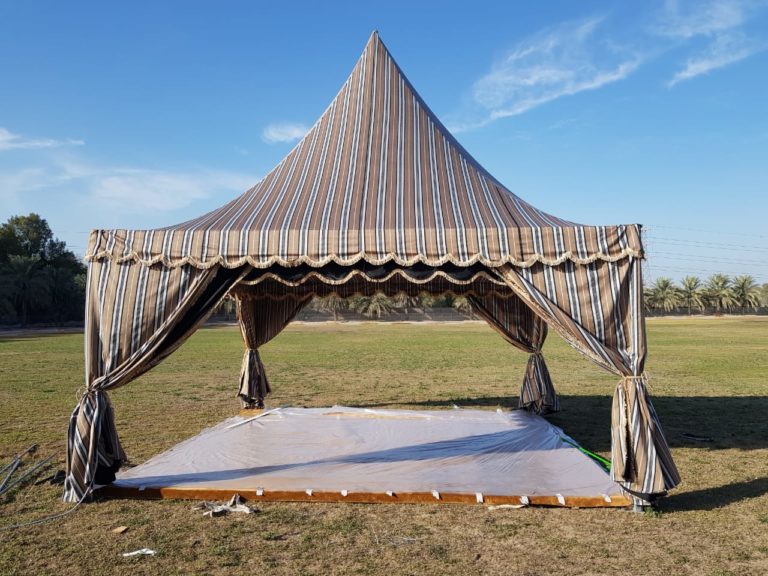
    The domed roofs of pagoda tents give them a sophisticated appearance. They fit easily into small villa grounds or serve as guest reception tents near larger Ramadan tents.

    Plan a Smart and Comfortable Iftar Tent Setup

    If you have a plan in place, then the event will go smoothly. But a poor setup can create chaos and may even lead to injuries.

    Divide your tent area to keep movement easy.

    • Reception area: Place dates, drinks, and laban near the entrance so guests can break their fast as soon as they enter.
    • Dining area: A seating area with comfortable cushions where people can lie down.
    • Food area: Set up a buffet on one side, away from the entrance, to avoid traffic there.
    • Coffee area: A small area for coffee and tea where parties can sit and speak.
    • Kids area: A soft-mat area for kids, away from hot dishes and drinks.

    Do Not Forget the Prayer Space

    This is the one thing most hosts overlook. Maghrib prayer comes just minutes after Iftar. Your guests will need a clean and quiet place to pray, and they will need it fast.

    Here is a simple way to plan it:

    • Check the qibla direction before the event using a phone app
    • Lay clean prayer rugs in a calm corner of the tent or in a small attached side tent
    • Set up a wudu area close by with fresh water, towels, and a non-slip mat
    • Keep a separate spot for shoes so the prayer area stays clean and tidy

    If your guests plan to stay for Taraweeh, make sure the prayer space is big enough for everyone at once. A small side tent works really well for this.

    Majlis Seating That Guests Will Love

    A majlis is the heart of your Ramadan tent. Do it right, and your guests won’t want to leave. Use solid floor cushions that support your back. Soft cushions may look good, but they quickly become uncomfortable. Don’t forget armrest cushions for older guests. Do mix in a few low couches or chairs because many elderly guests can’t sit on the floor for long. Place interesting carpets under all seating. Good-quality carpets would keep the area warm in winter.

    Air, Cooling, and Heating Inside the Tent

    The climate inside your tent affects everything. Whether your guests feel hot, cold, or short of breath will determine the quality of their evening, regardless of how delicious the food and drinks are.

    For cooler evenings and February nights:

    • Ask your rental company for outdoor patio heaters or safe electric heaters.
    • Close the side walls facing the wind.
    • Hang heavy curtains at the entrance to block drafts.

    For warmer nights closer to summer:

    • Use portable AC units or cooling mist fans

    A Real Family Story From Sharjah

    In a Sharjah villa, a family planned to host 35 guests every Thursday during Ramadan. Their yard was small, and evenings could be windy and cold.

    They hired a tent with a six-by-ten-meter frame and closed sidewalls. Inside, the family placed a majlis on three sides and a buffet on the other. In front of the tent entrance, they also set up a small tent with a prayer area and a wudu station. With two patio heaters and hanging lamps outside, the atmosphere was cozy and intimate.

    Once the family was ready, guests started arriving for Iftar and stayed until Suhoor. The family welcomed friends every Thursday without rearranging furniture or worrying about space.

  • How to Customize Majlis Frame Tents For Outdoor Spaces

    How to Customize Majlis Frame Tents For Outdoor Spaces

    In the United Arab Emirates, a majlis is not only a sitting room but also a place where the family gathers for greetings and storytelling. For this reason, several people prefer a frame tent.

    A frame tent is an excellent option because it doesn’t use inner poles. With no poles, the tent provides enough space for carpets, cushions, and low tables. Still, this tent can be unsuitable for certain occasions, such as hosting a beach party, where another tent would be needed.

    What Makes Majlis Frame Tents Different?

    A Clear Space With No Center Pole

    Most classic tents use a center pole. Majlis Frame Tents use a metal frame around the edges instead. This gives you a wide, open floor. You can place seating along all four walls, just like an indoor majlis.

    Built for Comfort, Not Just Cover

    A normal event tent gives shade. An Arabic majlis tent gives comfort. It usually includes:

    • Soft floor seating or low sofas
    • Thick carpets or rugs
    • Side walls with traditional patterns
    • Lighting and cooling built into the plan

    Our view: Many people treat the tent as the main thing and the décor as an extra. It’s a different approach than you imagine. Begin with the feeling you intend to create for guests, and then select a tent that fits this feeling. 

    Stage 1: Explore the Outdoor Space in Advance

    Inspect the venue before choosing an outdoor tent rental provider in the UAE. Walk around and make notes. A few minutes of inspection can save you trouble later.

    Measuring Usable Area

    Identify the total area, then deduct the space needed for entry, passage, and service areas. You’ll need about 1 meter of space around the tent for staff and safe movement.

    Check the Ground Type

    The ground decides how the tent stays in place:

    • Grass: Stakes work well. Protect sprinkler lines first.
    • Sand: Use long stakes or special sand anchors. Short stakes will pull out.
    • Interlock or tiles: Use heavy weights instead of stakes. Do not drill without permission.
    • Rooftops: Always use weights. Check the roof load limit with building management.

    Look at the Sun and Wind

    Note where the sun sits in the late afternoon. That is often the hottest time for guests. Also notice the wind. In the UAE, strong northwest winds can blow sand during some months. Face the main entrance away from the wind.

    Step 2: Choose the Right Size and Layout

    A Simple Sizing Rule

    For floor seating with cushions, plan about 1.5 to 2 square meters per guest. For sofas and coffee tables, plan closer to 2 to 2.5 square meters per guest. Add extra space if you will serve food inside.

    Here is a quick guide:

    GuestsSuggested Tent Size
    10 to 155m x 5m
    20 to 306m x 9m
    40 to 6010m x 10m
    80+10m x 15m or larger

    Step 3: Customize for Your Type of Outdoor Space

    This is where tent customization really matters. Each space has its own needs.

    Villa Gardens and Backyards

    Gardens are the most common spot for Majlis Frame Tents in the UAE. They are private and easy to manage.

    • Use soft rugs over the grass to keep the floor level
    • Add side walls on the neighbor’s side for privacy
    • Use warm string lights or lanterns at night
    • Keep a clear path to the kitchen for serving

    Rooftops and Terraces

    Rooftops give great views, but they come with limits.

    • Use weighted bases, never stakes
    • Choose a lower tent height to reduce wind pressure
    • Ask about the roof’s weight limit before adding AC units
    • Use light furniture so you do not overload the roof

    Beaches and Coastal Areas

    The coast brings fresh air but also humidity and salt.

    • Use sand anchors that go deep into the ground
    • Pick breathable fabrics so moisture does not get trapped
    • Leave some sides open for sea breeze
    • Choose rust-resistant aluminum frames

    Insight: Near the sea, the air holds a lot of water. A fully closed tent with strong AC can collect drops on the roof. Partial side walls and good airflow often feel better than sealing everything.

    Desert Camps

    Winter desert camps are a big part of UAE culture. Your tent must handle sand and cool nights.

    • Use heavy-duty stakes and extra guy ropes
    • Add full side walls you can close at night
    • Use thick carpets on top of a ground sheet
    • Plan heaters for evenings in December and January

    Corporate Lawns and Public Venues

    Event tents in the UAE often go up at hotels, offices, and parks.

    • Ask the venue about permits and rules first
    • Use branded side panels or entrance arches
    • Add raised flooring for a clean, even look
    • Plan clear exits and fire safety equipment

    Step 4: Plan Cooling and Comfort

    Heat is the biggest challenge for shaded outdoor seating in the UAE.

    Cooling Options

    • Portable AC units: Best for closed tents in warm months
    • Misting fans: Good for open tents, but avoid them on the coast where air is already damp
    • Ceiling fans: Great for gentle airflow in mild weather
    • Reflective roof fabric: Helps block heat from above

    Timing Matters

    Set up AC at least one to two hours before guests arrive. A tent that is cool from the start feels much better than one that is trying to catch up.

    Step 5: Style a True Arabic Majlis Feel

    The look is what turns a tent into a majlis.

    Seating and Floors

    • Low floor cushions with backrests
    • Persian or Arabic rugs
    • Small side tables for dates and coffee

    Walls and Lighting

    • Side walls with Sadu or geometric patterns
    • Brass lanterns and warm lights
    • Soft curtains at the entrance

    Small Touches That Matter

    • A coffee and tea corner with dallah pots
    • Incense burners with oud, placed near the entrance
    • Fresh flowers or palm leaves

    Insight: Guests remember smell and sound as much as sight. A gentle oud scent and soft background music can make even a simple frame tent setup feel special.

  • Reliable Car Parking Shade Supplier in UAE: Buyer Guide

    Reliable Car Parking Shade Supplier in UAE: Buyer Guide

    UAE summers are harsh, and temperatures often exceed 45°C. A car parked in direct sun can get much hotter inside, hot enough to burn your hands on the steering wheel. Heat also fades paint, cracks dashboards, and wears down tires.

    A good parking shade solves these problems. But the shade is only as good as the company that builds it. Many people choose the cheapest offer and regret it after one summer. The fabric fades. The poles rust. The structure shakes in a sandstorm.

    This guide offers tips for choosing a reliable car parking shade supplier in UAE. It will also cover licenses, warranties, maintenance, and common pitfalls. In the end, readers will know the questions to ask before signing the agreement. 

    Key Signs of a Reliable Car Parking Shade Supplier in UAE

    They Follow Proper Engineering Standards

    A trusted supplier designs every shade with real calculations. They study wind load, soil type, and span size. They do not guess. Ask for structural drawings before work begins. A serious company will share them. A weak one will avoid the question or say drawings are “not needed.”

    Good engineering also means the right steel. Look for galvanized steel with powder coating. This combination fights rust from humidity and coastal salt air in places like Dubai, Sharjah, and Abu Dhabi.

    They Offer a Clear Warranty

    A warranty shows how much a supplier trusts its own work. Always get it in writing. Check what it covers. Does it include the fabric, the steel, and the stitching? Does it cover fading and tearing? Many quality suppliers offer around 5 to 10 years on fabric and longer on steel structures. Vague promises like “lifetime quality” mean very little without paperwork.

    They Show Real Projects

    Ask to see past work in the UAE. Photos are good. Site visits are better. Talking to past clients is best. Pay attention to older projects. A shade that still looks good after five years tells you more than a brand new one.

    Reliable Supplier vs Weak Supplier: A Quick Comparison

    FactorReliable SupplierWeak Supplier
    DesignCustom shade design with drawingsSame design for every site
    SteelGalvanized and powder-coatedPainted steel that rusts quickly
    FabricBranded, UV-stabilized materialUnknown or cheap imports
    FoundationDeep concrete footingShallow or rushed base
    PermitsHandled by the companyLeft to the client
    WarrantyWritten and detailedVerbal or missing
    SupportMaintenance and repairs offeredHard to reach after payment

    HDPE Shade vs PVC Shade: Which Material Fits You?

    Choosing the right fabric is a big decision. Each material serves a different need. A reliable supplier will explain both honestly instead of pushing the most expensive one.

    HDPE Shade

    HDPE stands for high-density polyethylene. It is a knitted, breathable fabric. Air passes through it, so heat does not get trapped underneath.

    Benefits:

    • Strong UV protection, often blocking up to 90% or more of harmful rays
    • Good heat reduction thanks to airflow
    • Lighter and often more affordable
    • Many color choices

    Limits:

    • Not waterproof
    • Lets small amounts of dust pass through

    HDPE works well for villa parking shades, large open car parks, and budget-friendly commercial projects.

    PVC Shade

    PVC is a coated, solid fabric. It is built for Wind Resistance and blocks sun and rain completely.

    Benefits:

    • Fully waterproof shade
    • Blocks nearly all UV rays
    • Easy to clean
    • Looks neat and premium

    Limits:

    • Traps more heat under the cover if poorly designed
    • Usually costs more than HDPE

    PVC suits places that need rain protection and a clean look. Think of mosque parking shades, hotel entrances, and office buildings.

    Common Mistakes Buyers Make

    Choosing Only on Price

    The lowest quote often hides weak steel or thin fabric. You may pay twice when you replace it early.

    Skipping the Site Visit

    A reliable supplier visits your site before quoting. They check the soil, space, underground pipes, and traffic flow. Phone quotes often lead to surprises.

    Ignoring Pole Placement

    Poorly placed poles make parking hard. Drivers hit them. Doors get scratched. Good design keeps poles out of the way.

    Forgetting About Maintenance

    Every shade needs care. Buyers who ignore this lose years of use.

    Not Reading the Warranty

    Some warranties only cover the fabric for one year. Read every line before you pay.

    Why Local UAE Experience Matters

    A supplier from outside the region may have great designs. But the UAE climate is unique. Extreme heat, high coastal humidity, salty air, and sudden sandstorms all test a structure.

    Local experience brings real benefits:

    • Knowledge of each emirate’s permit process
    • Materials chosen for desert and coastal conditions
    • Faster parking shade installation with local teams
    • Quick repairs and spare parts when needed

    A car parking shade supplier in UAE with years of local work has already learned from past challenges. You benefit from those lessons without paying for them.

    Conclusion

    Car parking shades are worth the investment. The right contractor will ensure they keep paying dividends over time. A great supplier has the engineering capability, excellent wind resistance, and quality raw materials and offers a warranty. They also help with permits and ongoing maintenance services.

    You need to make use of the checklist we have provided to choose among suppliers and contractors. Find at least three companies and see who answers your questions the best. 

    Frequently Asked Questions

    3. Will I need a permit for a parking shade?

    In most cases, yes. Even in some residential areas, it is not an easy process and requires professional guidance. 

    4. How long does installation take?

    Small villa shades may take a few days to install. Large commercial projects can take a few weeks.

    5. Can I choose a Custom shade design?

    Yes. Most reliable suppliers offer Custom shapes, sizes, and colors to suit your property.

  • Camping Tent Maintenance: Make It Last Longer in the UAE

    Camping Tent Maintenance: Make It Last Longer in the UAE

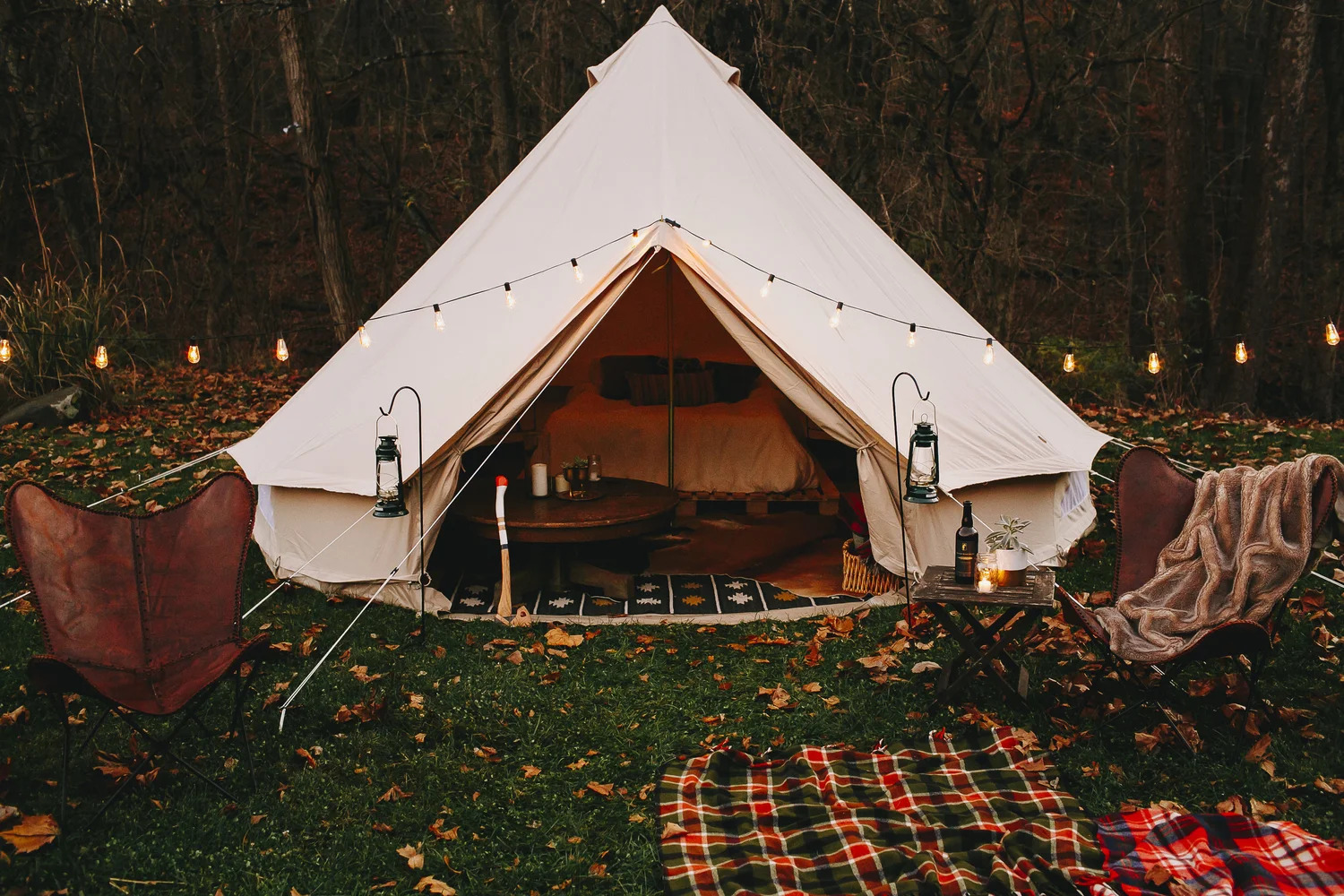
    Let me be honest with you. A good camping tent costs real money. You do not want to buy a new one every year. But if you camp in the UAE, your tent faces some serious challenges. The sun here is brutal. The sand gets into everything. Summer heat can quietly destroy your gear while it sits in storage.

    I have seen people ruin a perfectly good tent just by packing it wet or leaving it rolled up in a hot car. The good news? With a few simple habits, your tent can last five years or more. Let me show you how.

    Why Tent Care Matters More in the UAE

    Most tent care advice you find online is written for campers in Europe or the US. Their biggest problem is rain. Your biggest problems are very different.

    In the UAE, you deal with three main threats: sun, sand, and heat. If you ignore even one, your tent will not survive many seasons.

    The Sun Is Your Tent’s Biggest Enemy

    Even though you can’t see UV rays, they are very potent. As your tent fabric wears out, the colors start to fade. After that, the fabric thins and eventually breaks.

    Here is something people often overlook. Tents in the UAE’s direct sunlight get more UV exposure than tents in Europe over several weeks.

    So, I suggest putting up your tent at the end of the day. Early risers will have less UV exposure. Don’t set up a tent well in advance of your intended camping trip just for convenience.

    Sand and Dust Work Like Sandpaper

    Fine sand typical of the Liwa or Al Qudra desert feels almost like powder. It can penetrate even microscopic openings. It will accumulate in your zipper, seams, and joints.

    So each time you use a zipper, the sand gets crushed. Sand that accumulates in the tent can damage the floor from below.

    Heat Breaks Down Coatings and Glue

    Your tent has a waterproof coating on the inside of the fly and the floor. When temperatures get very high, this coating softens. It gets sticky and starts to peel away from the fabric.

    The same heat also weakens the seam tape. A tent left in a parked car in July can come out completely ruined in October. This is one of the most common and most avoidable mistakes I see.

    Humidity and Salt Air Bring Mold and Rust

    If you camp near the coast in Dubai, Abu Dhabi, or Fujairah, salt air is a hidden problem. It corrodes metal zippers, pole tips, and tent stakes. You often do not notice the damage until things stop working.

    Desert winters also bring heavy dew. Your tent can be soaking wet by sunrise even if the sky was clear all night. Pack it damp, and mold can start growing within just a few days.

    How to Dry Your Tent Properly

    This is the step most people rush or skip completely. It is also the most important one.

    A tent packed while damp will grow mold. Mold is almost impossible to remove fully once it takes hold. It smells bad and weakens the fabric.

    Always Dry in the Shade

    I know the UAE sun looks like the perfect drying machine. It is fast and powerful. But drying your tent in direct sun adds more UV damage every time.

    Dry your tent in the shade instead. A shaded balcony, a cool garage, or a room with a fan all work well. Yes, it takes a little longer. Your tent will thank you.

    Check That Every Part Is Dry

    Before you pack anything away, check these areas:

    • The tent body
    • The rain fly
    • The floor and every seam
    • The tent bag itself
    • The ground sheet

    Run your hand along the seams. They hold moisture far longer than the rest of the fabric.

    What to Do After a Dewy Desert Night

    Winter desert mornings can leave your tent completely soaked with dew. If you have to pack it wet, that is okay. Just make it your first priority when you get home. Unpack it and dry it the same day. Don’t leave it in your car or storage, even overnight.

    Smart Tent Storage for the Long UAE Summer

    Between April and October, most of us put our camping gear away. That is five or six months of storage. How you store your camping tent during these months greatly affects how it looks and performs next season.

    Pick a Cool, Dry Storage Spot

    The ideal spot is inside an air-conditioned room. A bedroom closet or under a bed works perfectly. These places keep items off the floor, away from pests, and cool.

    Places you must avoid include

    • Car boots
    • Outdoor storage rooms
    • Rooftops
    • Garages with no cooling

    These spots can reach extreme summer temperatures. Even a few weeks in that kind of heat can ruin your tent.

    Store It Loosely

    Many people get this wrong. They roll the tent as tight as possible and stuff it back into its small carry bag. This feels tidy, but it creates sharp folds that weaken the fabric over months.

    Instead, fold or roll it loosely and store it in a large cotton bag or a breathable box. Keep the original stuff sack for when you actually travel. This way, your tent fabric will stay in much better condition.

    Keep Poles and Stakes in Their Own Bags

    Store metal poles and stakes separately from the tent fabric. Sharp pole tips can poke through the material if you store them together. Rusty metal stakes can also stain and degrade the fabric they touch.

    How to Repair Small Damage Early

    You can fix small problems with little effort. But if you ignore them, they can get much worse. For example, a small hole in a rainfly may turn into a bigger tear in bad weather.

    Patching Holes and Tears

    Many camping stores sell tent repair kits with glue patches you can apply to damaged fabric. Ensure that the surface is clean and dry before applying the patch. You can also patch the area from the inside, if possible

    Resealing Leaking Seams

    If the seam starts to peel, remove the peeled parts and apply seam-sealing compound along the seam line. Do not use the tent within 24 hours after applying the compound.

    Fixing a Broken Pole in the Field

    Most tents come with a repair sleeve. If you are lucky and have that kit, you could simply slide the sleeve and tape it. However, it is only a temporary solution, and you should order a new pole as soon as you get home.

    When to Replace Parts Instead of the Whole Tent

    There is no point in buying a new tent when you can fix some issues by replacing just one part.

    • Tent pegs: If they are broken or rusty, replace them with new pegs. If you are going camping in the desert, make sure you get long stakes for sand.
    • Tent ropes: Replace them when they become worn and stiff.
    • Zippers: If the zipper won’t stay closed, just buy a new slider.
    • One pole part: Replace only the broken pole.
    • Tent footprint: Replace it once it shows holes or damaged areas.

    If the tent fabric tears at the slightest touch or stays sticky and smelly even after cleaning, it’s time to replace the tent. In most cases, maintenance and replacing the necessary parts will solve the problem.

    Final Thoughts

    Caring for your Camping Tent does not take much time or money. Shake out the sand after every trip. Rinse off the salt. Dry it in the shade before packing. Store it somewhere cool and loose during the long UAE summer.

    These habits take maybe twenty minutes after each camping trip. But they can add years to your tent’s life. Take care of your tent, and it will take care of you, whether you are out in the dunes of Liwa or watching the stars from a mountain campsite in Hatta.

  • Compare Tents Suppliers in UAE: Best Quality Guide 2026

    Compare Tents Suppliers in UAE: Best Quality Guide 2026

    Major events are held in the UAE all year long, ranging from corporate meetings and weddings to outdoor festivals and exhibitions. They all require top-notch tents. However, tents differ greatly. Some endure for years; others disintegrate before the season is out.

    You can confidently compare UAE tent suppliers with the help of this guide. Moreover, you’ll discover how to choose the best supplier for your event, what to look for, and what questions to ask. Whether you have previously engaged a tent supplier or not, you can follow along because everything is outlined in a straightforward way.

    Why Choosing the Right Tent Supplier Matters

    Your entire event, your guests, and your merchandise are all protected by your tent. Strong winds can cause a flimsy tent to collapse, and the extreme heat in the UAE can cause low-quality cloth to break. Therefore, you lose more than just money when that occurs. It might ruin your event.

    A trustworthy tent seller does much more than just sell you a tent because of this. They assist you in selecting the appropriate setup, size, and materials. They assist you also with the purchase and promptly resolve any issues. Conversely, a subpar supplier frequently vanishes after the sale is completed.

    Thus, give this decision some thought. Selecting the appropriate supplier can significantly impact your event. 

    Know Your Needs Before You Compare

    First, know what you need. Ask yourself a few simple questions.

    • What is the tent for? A wedding needs a beautiful tent. A warehouse needs a strong tent. A camping trip needs a light tent. Each use needs a different type.
    • How many people will use it? Count your guests or workers. Add some extra space. A crowded tent feels uncomfortable.
    • Where will you set it up? Dubai beaches have strong winds. Desert areas have sand and heat. City venues have limited space. The location decides the tent type.
    • How long will you use it? A one-day event needs a rental tent. A long-term project needs a built tent. Rentals cost less for short use.

    When you know these answers, comparing suppliers becomes easy.

    Types of Tents Available in the UAE

    Tents Suppliers in UAE offer many types. Here are the most common ones.

    Event and Wedding Tents

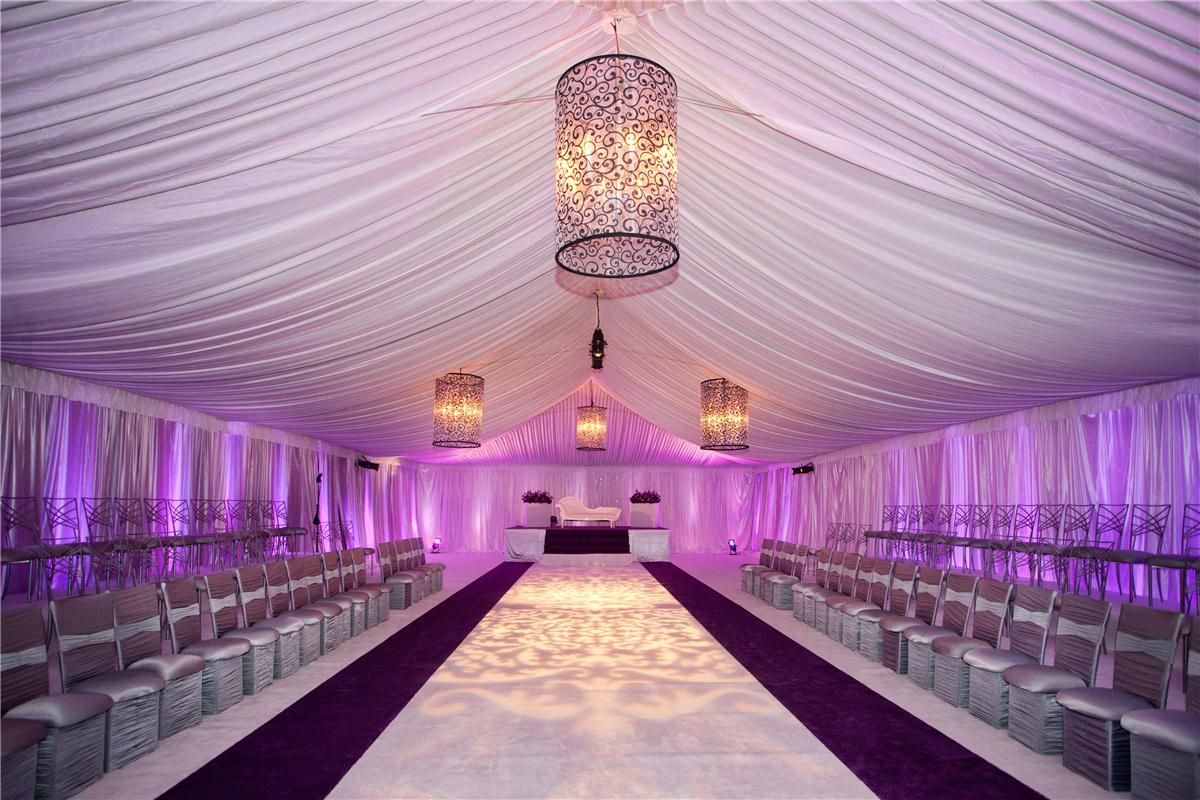
    These tents look elegant. They come in white and clear designs. Many have chandeliers and drapes inside. They suit weddings, parties, and corporate dinners.

    Exhibition Tents

    Exhibitions need big open spaces. These tents have no center poles. This gives full floor space for stalls. They are strong and stable.

    Warehouse and Industrial Tents

    Businesses use these for storage. They are made of heavy steel and thick PVC fabric. They protect goods from sun and rain. Many companies in Sharjah and Abu Dhabi use them.

    Shade Tents and Car Parking Shades

    The UAE sun is very strong. Shade tents protect cars and people. Schools, malls, and homes use them. They come in many shapes, like cone and sail designs.

    Camping and Desert Tents

    Desert safaris and camping trips need light tents. These tents are easy to carry and set up. They handle sand and wind well.

    Check the Material Quality

    Material decides how long a tent lasts. Always ask the supplier about it.

    Frame Material

    Good tents use galvanized steel or aluminum frames. These do not rust. They stay strong for years. Cheap tents use thin metal. They bend in strong wind. Ask the supplier about the frame thickness. A thicker frame means more strength.

    Fabric Material

    PVC fabric is the best choice in the UAE. It blocks sun and rain. It does not tear easily. Good PVC fabric has UV protection. This stops it from fading in the sun. Ask about the fabric weight. Heavier fabric usually means better quality. A good range for event tents is 650 to 850 GSM.

    Stitching and Joints

    Examine how the cloth and frame are joined. Strong stitching lasts longer. Weak joints are the first to break. When it rains, these don’t leak.

    Compare Prices the Smart Way

    Cost is important. However, the best solution isn’t necessarily the cheapest. In a year, a cheap tent could need to be replaced. A decent tent has a ten-year lifespan.

    Request quotations from at least three UAE tent suppliers. Examine the contents of each quote. Delivery and setup are included in some quotes. Some charge more for these. Always request the entire amount.

    Additionally, review the terms of payment. Clear contracts are provided by reputable providers. They don’t conceal additional fees. When dealing with extremely low pricing, use caution. They frequently indicate subpar quality.

    Look at Experience and Reputation

    An expert supplier is well-versed in the UAE market. They know about the local climate. They are familiar with Dubai’s and Abu Dhabi’s event permit regulations.

    Find out how long the provider has been employed in the United Arab Emirates. Request pictures of completed work. A reputable source will show you authentic work. Examine internet reviews. If you can, speak with former customers. A reliable provider is one who has satisfied customers.

    Ask About Installation and Support

    A tent’s quality depends on how it is put up. Accidents are caused by poor installation. Reputable tent suppliers in the UAE provide professional installation. The tent is securely set up by their personnel. After the event, they also take it down.

    Find out if the supplier provides maintenance. Over time, tents require minor repairs and cleaning. You can avoid future problems with a supplier who offers maintenance. Inquire about emergency assistance as well. You need quick assistance if a tent has an issue during your event.

    Check Warranty and After-Sales Service

    A warranty shows how confident the supplier is in the goods. Reputable suppliers provide a minimum warranty of one year. Some give more on clothing. Read the guarantee’s terms carefully. Recognize the subjects it addresses. Learn what happens if there is damage to the tent. A transparent warranty policy is a sign of an honest supplier.

    Visit the Showroom or Factory

    If possible, pay the supplier a visit in person. Examine the tents for yourself. Touch the material, and check the frame’s strength. This is a better source of information than any pamphlet.

    Many tent vendors in the United Arab Emirates have showrooms in Dubai, Sharjah, and Abu Dhabi. A visit also shows how professional the crew is. Clear and amiable staff members are usually connected with good service.

    Safety Standards You Should Know

    Safety is really important. Ask the provider about fire safety. High-quality tent fabric has fire resistance. This suggests that it has a hard time catching fire. This is necessary for public events in the United Arab Emirates.

    Ask about wind ratings as well. The tent shouldn’t be affected by strong desert winds. You can find out how much wind their tents can tolerate from a reliable dealer. Avoid accepting unclear answers.

    Rental vs. Buying: Which Is Better?

    This is a commonly requested question. The answer will depend on how you use it.

    Rent a tent if you need one for a quick event. The cost of rentals is lower. Setup and removal are handled by the supplier. This is perfect for weddings and one-day events.

    Purchase a tent if you will need it for several months or years. If businesses have regular outside needs, they should buy. Purchasing is initially more costly. However, it saves money over time. 

    Red Flags to Avoid

    Watch out for these warning signs. A supplier who avoids your questions is a bad sign. A supplier with no physical address is risky. Very low prices often hide poor quality. No warranty means no trust in the product. Pressure to pay fast is another red flag. A good supplier gives you time to decide.

    From what I have seen in the UAE market, quality beats price every time. I have seen event planners lose money on cheap tents that failed mid-event. I have also seen smart buyers pay a bit more and use the same tent for five years.

    My advice is simple. Shortlist three suppliers. Visit at least one. Ask hard questions about material and warranty. Then decide. Do not rush. A tent is a big investment. Take your time and choose well.

    Final Thoughts

    Comparing Tents Suppliers in UAE is not hard. You just need to know what to check. Focus on material quality, price value, experience, and support. Avoid suppliers with red flags. Choose one who answers clearly and offers a real warranty.

    A good tent makes your event safe and beautiful. A good supplier makes the whole process easy. Use this guide and make a smart choice.

  • Labour Resting Tents UAE: What Every Business Must Know

    Labour Resting Tents UAE: What Every Business Must Know

    UAE summers are hard on outdoor workers. The sun hits 45 degrees or more, and the heat does not wait for a deadline. Your workers need a cool, safe place to rest. If you don’t have one, people get sick, work slows down, and you face fines. Labour Resting Tents solve this problem. But not every tent works the same. A cheap tent that traps heat can be worse than no tent at all. This guide shows you what to look for, what to avoid, and how to choose well.

    Why Labour Resting Tents Matter in the UAE

    The Heat Is a Real Safety Risk

    Working outdoors in the UAE between May and October is very risky. The combination of high heat and humidity means workers are at risk of heat stress, heat exhaustion, and even heat stroke. All of these can be fatal. Erecting a tent on site lowers the body temperature of the workers. The core of any tent should provide adequate shade, airflow, and an interior that is cooler than the outside air.

    Law Requires You to Protect Workers

    Every year the UAE puts in place midday break rules to protect outdoor workers from the harsh conditions. This usually happens from June 15th to September 15th, from 12:30 pm to 3:00 pm. During this time, employers are not supposed to allow their workers to do any outdoor activities in the sun. Employers are supposed to provide their workers with a shaded area, water, and a basic cooling facility. 

    It Saves You Money

    This is the part many businesses miss. Heat stress does not just hurt workers. It hurts output. Tired, overheated workers make more mistakes. They work slower. Some go on sick leave. One heat stroke case can stop a site for a day and trigger an inspection. A well-planned tent costs far less than that.

    Key Features to Look For

    Not all features carry the same weight. Here they are, ranked by how much they matter.

    1. Ventilation

    Ventilation comes first. A closed tent in UAE heat turns into an oven. Look for:

    • Roll-up side walls
    • Mesh windows
    • Roof vents to let hot air escape
    • Enough height so heat rises above people’s heads

    A tall tent with good airflow often beats a short one with a weak AC unit.

    2. Cooling

    Shade alone is not enough in peak summer. Your options, from most effective to least:

    • Option 1: Air conditioning. Best cooling. Needs power and has higher running costs. Ideal for large crews and long projects.
    • Option 2: Evaporative air coolers. Cheaper to run. They work well in dry heat but lose power when humidity is high, which is common near the coast.
    • Option 3: Industrial fans and misting fans. Lowest cost. Fine for short breaks and small teams, but weak during the hottest weeks.

    If your site is in Dubai or Abu Dhabi near the coast, humidity is high. Don’t rely on coolers alone there.

    3. Material Quality

    The tent fabric decides how long it lasts and how hot it gets inside. Look for:

    • PVC-coated fabric: Strong, waterproof, and easy to clean
    • UV-resistant covers: They block harmful rays and stop the fabric from breaking down
    • Fire-retardant material: A must for site safety
    • Reflective or light-colored roofs: White and silver reflect heat. Dark colors absorb it.

    4. Frame Strength

    Aluminum frames are light and do not rust. Steel frames are stronger but heavier. Both work. The key is wind resistance. Sandstorms and strong winds are common in the UAE, so ask the supplier how much wind the tent can handle.

    5. Comfort Basics

    Workers need more than a roof. Add:

    • Seating or benches
    • Cold drinking water stations
    • Flooring or mats to block ground heat
    • Lighting for early morning or evening shifts
    • A first aid kit

    SAFETY CONSIDERATIONS

    When using a large number of people in a single tent, a few safety tips should be addressed.

    Fire Safety: Use of fire-retardant fabric should be implemented. Fire extinguishers should be placed inside and outside of the tent.

    Electrical Safety: The wiring used for AC units and fans should be certified wiring.

    Clear Exits: Each tent should have at least 2 clear exits.

    Anchoring: A tent should be secured to the ground using stakes, weights, or bolts. High winds can cause a tent to turn into a projectile.

    Space Per Worker: Do not crowd tents. This can cause the spread of illness, as well as creating heat stress.

    Legal and Operational Considerations

    Permits and Approvals

    Different emirates have different requirements for constructing a temporary structure. The rules also vary between different government agencies. Large tents may also require approval for fire safety. Contact the government agency for more information regarding the construction of large tents.

    Compliance Records

    It may be required to keep a simple record of the inspection history of the cooling units or when a particular tent was installed. These records may be required to be produced to the authorities at the time of an inspection.

    Placement on Site

    Tents should be placed near the work areas and away from heavy machinery and dusty areas. A tent placed next to a cement mixer is not a rest area for workers.

    Setup Tips That Actually Work

    1. Level the ground first. Uneven ground weakens the frame.
    2. Face the openings toward the wind. This boosts natural airflow.
    3. Raise the floor if you can. It keeps out sand and heat from the ground.
    4. Install cooling before summer. Waiting until June means long supplier queues.
    5. Test everything on day one. Check power, water, and cooling before workers move in.

    Maintenance: Keep It Working All Season

    A tent left alone breaks down fast in UAE conditions. Build a simple routine:

    Daily: Clean floor, replace water, check AC/fans

     Weekly: Inspect ropes, pegs, and joints

    Monthly: Inspect cooler pads and AC filters, and check for fabric tears.

    After sand storms: Immediate inspection

    Dust quickly clogs cooler filters and AC filters. A blocked filter results in warm air and wasted power.

    Labour Resting Tents are legally required for the protection of your employees against genuine occupational hazards. They allow your project to remain on schedule. First, try to provide adequate cooling and ventilation measures. Choose strong, fire-retardant, and UV-stable materials. 

    Frequently Asked Questions

    At what time is the midday break in the UAE?

    The midday break is usually from June 15th to September 15th, from 12:30 pm to 3:00 pm. Check MOHRE each year to confirm.

    Should I purchase or rent a resting tent?

    Rent if the project duration is short. Purchase if there are multiple project sites and/or the project duration is long (over one year).

    Which cooling method is the best?

    A/C works the best. Evaporative coolers are good for more inland and dry areas.

    How frequently should I maintain the tent?

    Clean the tent daily. Inspect it weekly and do a service call on the cooling units monthly. Check everything after a sandstorm.

  • Rental Ramadan Tents in UAE: Sizes, Cost, and Setup Tips

    Rental Ramadan Tents in UAE: Sizes, Cost, and Setup Tips

    Every year, the same thing happens. Families and companies wait until the last two weeks before Ramadan, call five suppliers, and learn the good tents are already booked. Then they settle for whatever is left.

    You can avoid that. Rental Ramadan Tents are now a normal part of life in the UAE. Villas, hotels, offices and mosques use them to host iftar and suhoor, and demand peaks at the same time every year. Supply does not grow to match it.

    Why Ramadan Tent Rental in the UAE Books Up So Fast

    The reason is simple. Most people need a tent for the same 30 nights. Hotels, companies, and families all compete for the same stock, the same crews, and the same delivery trucks. Ramadan 2027 is expected to start in February. That means many good suppliers start taking bookings in late autumn and early winter. If you book in the final week, you get fewer choices and higher prices.

    Start your search at least six to eight weeks before Ramadan.

    The Main Types of Rental Ramadan Tents

    Not every tent suits every event. Here are the most common options in the UAE, ranked by how often people actually need them.

    Option 1: Arabic Majlis Tent

    This is the most popular choice for home gatherings and family iftar. A majlis tent rental usually comes with low floor seating, cushions, carpets, and traditional patterns inside. It feels warm and personal. It works best for 20 to 80 guests. It suits villas, farms, and private gardens.

    Option 2: Frame Tent for Corporate and Hotel Events

    Corporate Ramadan tents are usually large frame structures. They have no center poles, so you get open space for tables, a buffet, and a stage. Hotels often use them for public iftar and suhoor tents that run for the full month. Pick this if you expect 100 guests or more, or need a clean layout for catering space.

    Option 3: Pagoda or Small Canopy Tents

    These are smaller pointed tents. They work well as add-ons for a welcome area, a dates and coffee station, or a prayer corner. You rarely need them alone, but they make a big event feel organized.

    Option 4: Mosque Event Tents

    Mosque events need simple, wide spaces. The focus here is on clean flooring, good lighting, fans or cooling, and enough room for people to break their fast and pray. Comfort matters more than decoration.

    How to Choose the Right Tent Size

    This is where most people go wrong. They guess the size based on the guest list alone. The real size depends on how people will sit, eat, and move.

    Use this as a starting point:

    • Floor seating majlis: about 1.5 to 2 square meters per guest
    • Round tables with chairs: about 1.2 to 1.5 square meters per guest
    • Buffet area: add 15 to 20 percent more space
    • Stage or prayer area: add space on top of that

    A simple example: a family iftar for 60 people with floor seating and a small buffet needs roughly 110 to 140 square meters. A corporate iftar for 150 guests at round tables with a buffet needs closer to 250 square meters.

    These numbers are a guide, not a rule. A good event tent supplier will visit your site and confirm. If they quote a size without asking about seating arrangements, ask why. Measure your space before you call anyone.

    Weather, Cooling, and Comfort in the UAE

    Ramadan moves about 11 days earlier each year. In 2027, it falls in the cooler months, which changes what you need.

    Air-Conditioned Tents

    Air-conditioned tents are still useful, especially for large daytime setups, hotel events, and packed corporate nights. Body heat from 200 people adds up fast, even in February.

    Heaters for Cool Nights

    Here is something many people forget. Winter nights in the UAE can feel cold, especially in the desert, in farm areas, and in open gardens. If your event runs late into suhoor, ask about heaters too. Some suppliers offer both.

    Wind and Rain

    Light rain and strong winds do happen in February. Ask if the tent has proper side walls and how it is anchored. A tent that looks great but shakes in the wind will ruin the night.

    Plan for both warm and cool weather, not just one.

    Privacy and Ramadan Ambiance

    Privacy matters to many families in the UAE. If you host ladies and gentlemen separately, ask for a divider wall or two connected tents. Side walls also block the view from the street and neighbors.

    Ramadan decoration sets the mood. Common touches include:

    • Lanterns and warm lighting
    • Crescent and star designs
    • Arabic carpets and cushions
    • Gold, maroon and cream fabric linings
    • A dates and Arabic coffee corner near the entrance

    Keep the lighting soft and warm. Bright white lights feel like an office. Warm lights feel like Ramadan.

    What Is Usually Included in the Price

    Prices for Rental Ramadan Tents vary a lot. Size, duration, location and extras all change the quote. Two quotes that look similar can hide very different services.

    A full hospitality setup often includes:

    • The tent structure and side walls
    • Flooring, such as wooden panels or carpet
    • Lighting and power connection
    • Seating arrangements, such as majlis sofas or tables and chairs
    • Cooling or heating units
    • Delivery, setup and removal

    Some quotes include only the tent. Everything else costs extra. Always ask for a line-by-line breakdown.

    Never compare quotes on the total price alone.

    Daily Rental vs. Full-Month Rental

    You have two main choices.

    One-night rentals suit a single-family iftar or a company event. You pay more per night, but less overall.

    Full-month rentals suit hotels, restaurants, mosques, and families who host often. The nightly cost drops a lot. You also avoid repeated setup and removal.

    If you plan to host more than four or five times, ask for a weekly or monthly rate. It is usually the better deal.

    Permits and Approvals in General Terms

    Larger tents in the UAE often need approval. This can come from the local municipality, civil defense, or your community or building management. Rules differ by emirate and by area.

    Small home tents may need only community approval. Large public or commercial tents usually need more. Many experienced suppliers handle the paperwork for you, but you should confirm this in writing.

    Ask the supplier who handles permits before you sign anything.

    Delivery and Setup: What to Expect

    Most suppliers need one to two days to set up a large tent. A small majlis tent can go up in a few hours. Removal usually happens the day after your event or after Eid.

    Before the crew arrives, make sure:

    • The ground is clear and level
    • The crew can reach the site with tools and trucks
    • You know where power will come from
    • Someone is home to check the setup

    Check everything before the crew leaves. Lights, cooling, walls, and flooring. It is much harder to fix later.

    Common Mistakes to Avoid

    These come up again and again:

    • Booking too late. You lose choice and pay more.
    • Picking a tent that is too small. Guests feel crowded, and catering gets messy.
    • Ignoring the buffet space. Food needs room. So do the people serving it.
    • Forgetting power needs. Cooling, lighting, and catering equipment use a lot of electricity.
    • Skipping the site visit. Photos do not show slopes, trees, or tight gates.
    • No backup plan for weather. Side walls and heaters cost little compared to a ruined evening.

    Frequently Asked Questions

    How early should I book a Ramadan tent in the UAE?

    Book six to eight weeks before Ramadan. Popular suppliers fill up fast, especially for weekends.

    Do I need air conditioning in a Ramadan tent?

    For large events, yes. For small family gatherings in cool months, fans or heaters may be enough.

    How many guests fit in a 10 by 10 meter tent?

    About 60 to 80 guests at tables, or 50 to 65 with majlis floor seating.

    Can I rent a tent for the whole month of Ramadan?

    Yes. Most suppliers offer monthly rates, and they usually cost less per night.

    Does the supplier handle permits?

    Many do, but not all. Confirm this in writing before you pay.